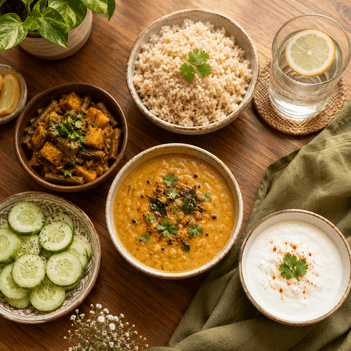
Weight Loss Diet Plan
Written & Reviewed by: Ms. Sonika Choudhary – Dietitian | M.Sc. (Food & Nutrition), M.Phil (Food Science) | Kailash Hospital, Noida
Losing weight is one of the most common health goals — yet for many people, it remains frustratingly out of reach. Fad diets, skipping meals, and intense workout regimens might give you quick results, but they usually fall short when it comes to creating the lasting changes that people truly desire.
The good news is that sustainable weight loss is not about deprivation. It is about making the right food choices, understanding your body’s energy balance, and building habits that you can maintain for life.
In this comprehensive guide, Ms. Sonika Choudhary, Dietitian at Kailash Hospital, Noida, breaks down everything you need to know — from building a calorie deficit to following a practical 7-day Indian vegetarian weight loss meal plan.
Why Most Weight Loss Diets Fail
Before designing an effective weight loss diet plan, it is important to understand why common approaches do not work in the long run. Many people jump into severe calorie restriction or follow trendy diets — such as the dip diet — without understanding the science behind metabolism.
Common reasons for diet failure include:
- Drastically cutting calories too fast can actually slow down your metabolism.
- Skipping meals can often result in binge eating later on in the day.
- Relying on processed ‘diet’ foods that are high in sodium and additives
- Ignoring hunger cues and personal food preferences
- Lack of protein, which causes muscle loss along with fat loss
A sustainable weight loss diet plan avoids these pitfalls by focusing on balanced nutrition, adequate protein, and a moderate calorie deficit.
Understanding Calorie Deficit for Weight Loss
At the core of every effective weight loss strategy is one principle: a calorie deficit. You lose weight when you consume fewer calories than your body burns in a day.
Creating a daily calorie deficit of about 500 calories usually leads to a weight loss of roughly 0.4 to 0.5 kg each week. This rate is generally viewed as safe and sustainable according to most clinical nutrition guidelines.
How to Calculate Your Calorie Needs
The number of calories you need each day depends on a few key factors: your age, weight, height, gender, and activity level. As a general reference:
| Activity Level | Daily Calorie Requirement (Women) | Daily Calorie Requirement (Men) |
| Sedentary (desk job, minimal exercise) | 1,600 – 1,800 kcal | 2,000 – 2,200 kcal |
| Moderately active (walking, light exercise) | 1,800 – 2,000 kcal | 2,200 – 2,600 kcal |
| Very active (gym, physical work) | 2,000 – 2,400 kcal | 2,600 – 3,000 kcal |
To lose weight, subtract 400–500 calories from your maintenance requirement and maintain that intake consistently.
Best Weight Loss Diet: Key Principles
Rather than chasing a single ‘best weight loss diet’, Ms. Sonika Choudhary recommends building your eating pattern around these evidence-based principles:
1. Prioritise High-Protein Foods
A high-protein diet for weight loss is one of the most consistently supported strategies in nutrition science. Protein keeps you full longer, preserves lean muscle mass during weight loss, and has a higher thermic effect — meaning your body burns more calories digesting it.
Good protein sources for vegetarians include: paneer, dahi (yoghurt), dal, rajma, chana, soya chunks, and Greek yoghurt. Greek yoghurt, in particular, has seen significant rising interest in India due to its high protein content and probiotic benefits.
2. Include a Balanced Calorie Deficit Diet
A calorie deficit diet for weight loss does not mean eating very little. It means choosing nutrient-dense, lower-calorie foods that keep you satisfied. Fill half your plate with vegetables, one quarter with whole grains or complex carbs, and one quarter with protein.
3. Do Not Skip Breakfast or Dinner
Morning diet and dinner diet both play important roles in weight management. A protein-rich breakfast stabilises blood sugar and reduces cravings during the day. A light, early dinner — ideally by 8 PM — gives the body time to enter a mild overnight fasting state, which supports fat metabolism.
4. Stay Hydrated
Drinking adequate water before meals reduces appetite and is one of the simplest, most overlooked weight loss tips. Aim for 8–10 glasses per day and replace sugary beverages, including diet coke, with water, nimbu pani (without sugar), or herbal teas.
5. Add Healthy Snacks, Not Junk
Diet snacks for weight loss should be planned rather than impulsive. Good options include a small bowl of roasted chana, a handful of nuts, a piece of fruit, or a cup of buttermilk. Keeping healthy snacks ready reduces the likelihood of reaching for processed foods.
7-Day Diet Plan for Weight Loss (Indian Vegetarian)
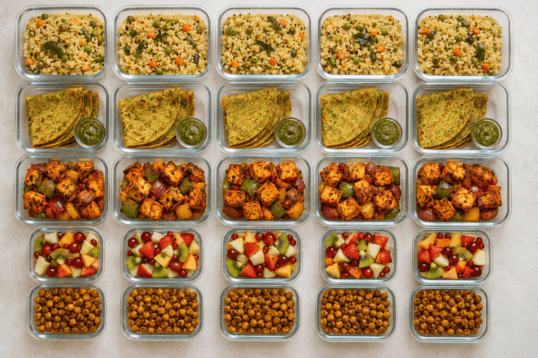
The following meal plan is designed for an average Indian adult with a moderate activity level, targeting a daily intake of approximately 1,400–1,600 kcal. It is vegetarian, easy to prepare, and uses ingredients commonly available in Indian households.
| Day | Breakfast | Lunch | Evening Snack | Dinner |
| Day 1 | Oats upma + 1 cup dahi | 2 roti + dal + sabzi + salad | 1 small apple + 5 almonds | Vegetable daliya + cucumber raita |
| Day 2 | Moong dal chilla (2) + green chutney | Brown rice + rajma + salad | Roasted chana (1 handful) | 2 roti + mix veg sabzi |
| Day 3 | Poha (light oil) + 1 boiled egg white | 2 roti + palak dal + boondi raita | 1 banana + 1 cup buttermilk | Moong dal khichdi + salad |
| Day 4 | Greek yogurt + 1 tbsp flaxseed + berries | Bajra roti + kadhi + sabzi | Handful of walnuts | Tofu bhurji + 1 roti |
| Day 5 | Besan chilla + mint chutney | Brown rice + chana masala + salad | Roasted makhana (1 bowl) | Veg soup + 2 roti |
| Day 6 | Dalia khichdi + dahi | 2 multigrain roti + dal + lauki sabzi | 1 orange + green tea | Paneer tikka (grilled) + salad |
| Day 7 | Idli (3) + sambar + coconut chutney | Brown rice + sambhar + stir-fried veg | Cucumber slices + hummus | Masoor dal + 1 roti + raita |
Note: Use minimal oil (1–2 tsp per meal). Avoid added sugar. Drink a glass of water 20 minutes before each meal.
Weight Loss Diet for Men vs Women
While the core principles remain the same, there are some differences in how men and women should approach weight loss:
| Factor | Weight Loss Diet for Men | Weight Loss Diet for Women |
| Calorie intake | 1,800 – 2,200 kcal/day (deficit) | 1,400 – 1,800 kcal/day (deficit) |
| Protein needs | 1.2 – 1.6 g per kg body weight | 1.0 – 1.4 g per kg body weight |
| Iron & folate | Standard requirement | Higher need, especially pre-menopausal |
| Post-pregnancy | Not applicable | Postpartum weight loss diet must be supervised; needs adequate nutrition for recovery |
| Hormonal factors | Testosterone aids muscle retention | PCOD/PCOS may require specific dietary adjustments |
Weight Loss Tips That Are Actually Backed by Science
Beyond diet plans, these evidence-based weight loss tips make a significant difference in long-term outcomes:
- Eat slowly and mindfully — it takes 20 minutes for the brain to register fullness
- Sleep 7–8 hours per night; poor sleep raises hunger hormones ghrelin and leptin
- For effective weight loss, combining a balanced diet with consistent exercise is key. The standard guideline suggests getting in around 150 minutes of moderate activity every week.
- Track your food intake for at least 2–4 weeks to build awareness of portion sizes
- Reduce ultra-processed foods, refined flour (maida), and packaged snacks
- Manage stress — cortisol promotes fat storage, especially around the abdomen
- Plan meals in advance — meal prepping reduces reliance on unhealthy convenience foods
How to Lose Weight Fast Naturally and Permanently
Countless people are searching for effective ways to lose weight quickly and naturally, hoping for results that last. The honest answer is that truly permanent weight loss requires a shift in lifestyle, not just a temporary diet. Here is a practical framework:
| Phase | Duration | Goal | Approach |
| Phase 1: Reset | Weeks 1–2 | Reduce bloating, improve digestion | Eliminate sugar, alcohol, and processed food. Add vegetables, hydration. |
| Phase 2: Fat Loss | Weeks 3–10 | 0.5 kg loss per week | Follow calorie deficit diet + high protein + structured exercise |
| Phase 3: Maintenance | Ongoing | Keep weight off permanently | Gradual calorie increase, flexible eating, regular activity |
Rapid crash diets — including extreme versions of the dip diet or 10 kg in 7 days plans — are not only unsustainable but can cause muscle loss, nutrient deficiencies, and metabolic slowdown. Safe weight loss is 0.5–1 kg per week.
Strict Diet for Weight Loss: What to Include and Avoid
| Foods to Include | Foods to Avoid or Limit |
| Whole grains (oats, daliya, brown rice, bajra) | White rice, maida (refined flour), white bread |
| Pulses and legumes (dal, rajma, chana, moong) | Fried snacks, namkeen, chips, biscuits |
| Vegetables (all varieties, especially leafy greens) | Sugary beverages including packaged juices |
| Low-fat dairy (dahi, buttermilk, paneer in moderation) | Full-fat cream, butter, ghee in excess |
| Fruits (in moderation, preferably whole) | Instant noodles, processed meats, fast food |
| Healthy fats (nuts, seeds, cold-pressed oils) | Alcohol and carbonated drinks |
A Note on Weight Loss Medicine and Supplements
Weight loss medicines are a growing area of interest in India, driven largely by newer GLP-1 receptor agonist medications. However, these are prescription drugs and are recommended only for specific clinical cases — such as obesity with comorbidities — under medical supervision.
Over-the-counter weight loss supplements are largely unregulated and often ineffective. The safest and most reliable approach remains a well-structured diet and regular physical activity.
“Weight loss is not a punishment. It is an opportunity to build a healthier relationship with food, your body, and your daily habits. Small, consistent changes will always outperform dramatic, short-lived efforts. Focus on nourishing yourself, not restricting yourself.” — Ms. Sonika Choudhary, Dietitian, Kailash Hospital, Noida
Frequently Asked Questions (FAQ)
Q1. What is the best diet plan for weight loss in India?
The best weight loss diet plan for Indians focuses on portion-controlled whole grains, high-protein pulses, plenty of vegetables, and low-fat dairy. A 7-day structured plan with a daily calorie deficit of 400–500 kcal is an effective and sustainable starting point.
Q2. How can I lose weight fast naturally and permanently?
Permanent weight loss comes from consistent habits — not crash diets. Aim for a moderate calorie deficit, eat adequate protein, sleep well, manage stress, and exercise regularly. Safe weight loss is 0.5–1 kg per week.
Q3. What is a calorie deficit and how do I maintain it?
A calorie deficit means eating fewer calories than your body burns daily. To maintain it, track your food intake, choose high-fibre and high-protein foods that keep you full, and avoid liquid calories (juices, soft drinks, alcohol).
Q4. Is vegetarian Indian food good for weight loss?
Yes. A vegetarian Indian diet can be highly effective for weight loss when built around dal, sabzi, whole grains, dahi, and seasonal fruits. Avoiding deep-fried preparations and excess ghee makes the biggest difference.
Q5. What should I eat for dinner on a weight loss diet?
Keep dinner light and early. A good dinner diet for weight loss includes options like dal with one roti, moong dal khichdi with raita, vegetable soup, or a bowl of daliya. Avoid eating within 2–3 hours of bedtime.
Q6. Is a strict diet necessary to lose weight?
Not necessarily. A strict diet is not required if you follow a well-balanced, moderate calorie deficit consistently. Extreme restriction often backfires. Sticking to a realistic plan consistently works better than going all out with strict eating for a short time.
Q7. Is Diet Coke good for weight loss?
Diet Coke is very low in calories, but it is not recommended as a weight loss aid. Research suggests that artificial sweeteners can maintain sugar cravings and may affect gut microbiome. Plain water, herbal teas, and nimbu pani without sugar are better alternatives.
When Should You See a Dietitian?
Consider consulting a qualified dietitian if:
- You have not seen results after 4–6 weeks of self-managed dieting
- You have a medical condition such as diabetes, thyroid disorder, PCOD, or kidney disease
- You are postpartum and looking for a safe weight loss diet
- Are you in search of a personalized diet plan for the gym that will aid your weight loss journey while you train?
- You have a history of disordered eating
Ms. Sonika Choudhary, Dietitian at Kailash Hospital, Noida, offers personalised dietary counselling tailored to your health goals, lifestyle, and medical history.
Conclusion

A successful weight loss journey begins with the right information and a sustainable plan. By understanding calorie balance, choosing the right foods, and following a structured 7-day diet plan, you can lose weight naturally, steadily, and permanently — without extreme restriction.
Remember that every individual is different. What works for one person may need to be adjusted for another based on age, health status, activity level, and food preferences. Having a one-on-one consultation with a registered dietitian guarantees that your plan is not only effective but also safe for you.