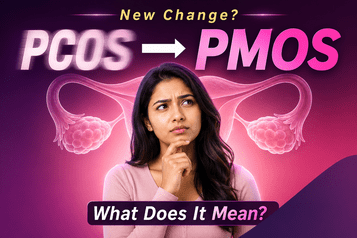
If you have been living with PCOS — or suspect you might have it — there is important news you need to know. In May 2026, one of the most common hormonal conditions affecting women worldwide officially received a new name. Polycystic Ovary Syndrome, known for decades as PCOS, is now called Polyendocrine Metabolic Ovarian Syndrome — or PMOS.
This is not just a cosmetic change. It is a landmark medical shift backed by over a decade of global research, representing a far more accurate picture of what this condition truly is and how it affects the body. At Kailash IVF, we believe this renaming is a step forward for millions of women who have long been misdiagnosed, undertreated, or simply misunderstood.
What Is PMOS? Understanding the New Name
PMOS stands for Polyendocrine Metabolic Ovarian Syndrome.
Each word in this new name carries clinical meaning:
- Poly-endocrine — The condition involves multiple hormonal (endocrine) disturbances, not just one. These include insulin, androgens (male hormones), and neuroendocrine pathways — all interacting with each other.
- Metabolic — PMOS has significant metabolic effects, including insulin resistance, weight changes, elevated cholesterol, and increased risk of type 2 diabetes and cardiovascular disease.
- Ovarian — The ovaries are involved, but they are not the only part of the body affected.
- Syndrome — It is a cluster of signs and symptoms, not a single disease with one cause.
“PMOS is a whole-body hormonal condition, not simply a problem with the ovaries. The new name helps us counsel our patients more accurately — it opens the door to better investigations, better treatment, and most importantly, better outcomes for women who are trying to conceive,” says Dr. Monika Gupta, Head of Kailash IVF.
Why Was PCOS Renamed to PMOS?
The renaming did not happen overnight. The name change journey took 14 years of global collaboration between experts and those with lived experience, and was published in The Lancet on May 12, 2026. Endocrine Society
The process involved iterative global surveys with responses from over 14,360 people with PCOS and multidisciplinary health professionals from all world regions, along with modified Delphi methods, nominal group technique workshops, and marketing and implementation analyses. PubMed
The core problem with the old name? The term “polycystic ovary syndrome” was widely considered a misnomer. The name implied the presence of pathological ovarian cysts, which are not actually a feature of the condition. What appears as “cysts” on ultrasound are in fact arrested follicles. Research showed that this misleading terminology led to significant diagnostic delays, affecting up to 70% of those with the condition, and resulted in fragmented care. Contemporary OB/GYN
Broadly, 86% of patients and 71% of clinicians supported the name change, citing stigma, confusion, and fragmented care as their primary reasons. AJMC
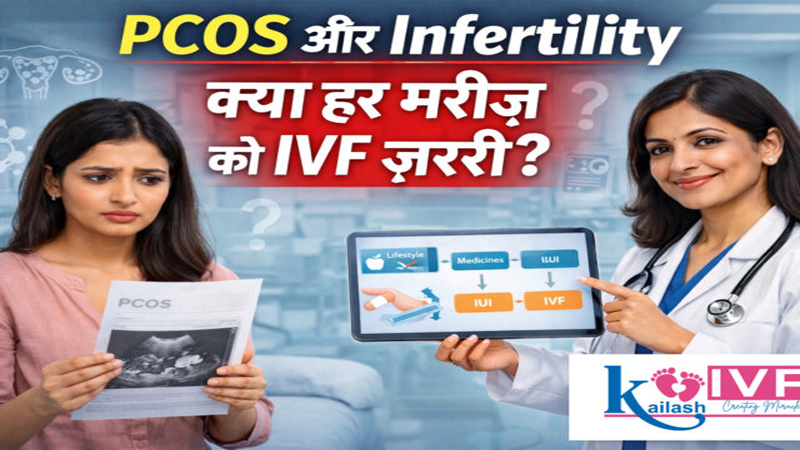
Also Read: PCOS और Infertility: क्या हर PCOS मरीज को IVF की जरूरत होती है?
PCOS vs PMOS — What Exactly Changed?
This is the question most patients are asking — and the answer is reassuring.
Not all patients have cysts
The condition itself has not changed. Only the name has. Your symptoms, your diagnosis, and your treatment plan remain exactly the same. What changes is how doctors think about it — as a full-body hormonal condition, not just a gynaecological one.
PMOS Symptoms — Are They Different From PCOS?
No. The symptoms of PMOS are the same as PCOS. What the new name does is give a more complete explanation of why these symptoms occur.
Common symptoms of PMOS include:
- Irregular or missed periods — due to disrupted ovulation
- Excess hair growth (hirsutism) — on the face, chest, or back, caused by elevated androgens
- Acne and oily skin — again driven by androgen excess
- Hair thinning or loss on the scalp
- Weight gain or difficulty losing weight — often linked to insulin resistance
- Difficulty getting pregnant — due to irregular or absent ovulation
- Mood changes, anxiety, or depression — the mental health dimension of this condition is now better recognised
- Dark patches of skin (acanthosis nigricans) — a sign of insulin resistance
PMOS is a hormonal imbalance that occurs when the ovaries produce excess hormones — particularly androgens. This causes reproductive hormones to become imbalanced. People with PMOS may also be at higher risk for certain health conditions like diabetes and high blood pressure.
PCOS vs PCOD vs PMOS — Clearing the Confusion
Many women in India use the terms PCOS and PCOD interchangeably. Here is what each term means:
PCOD (Polycystic Ovarian Disease) — a commonly used term in India, often used to describe milder hormonal imbalances with multiple follicles visible on ultrasound. It is not an internationally recognised medical classification, but many gynaecologists use it to describe a less severe presentation.
PCOS (Polycystic Ovary Syndrome) — the former official medical term for the full syndrome, now replaced globally.
PMOS (Polyendocrine Metabolic Ovarian Syndrome) — the new, internationally recognised name as of May 2026, published in The Lancet. This is now the correct medical terminology worldwide.
“Many of our patients come to us having been told they have ‘PCOD’ or ‘PCOS’ — and they are often confused about what it actually means for their fertility. The new name PMOS gives us a much clearer framework to explain the condition and create a personalised treatment plan,” adds Dr. Monika Gupta, Head of Kailash IVF.
Also Read: 5 Foods That Increase Female Fertility – Kailash IVF
How Does PMOS Affect Fertility?
Fertility is one of the most significant concerns for women with PMOS. PMOS involves interacting disturbances in insulin signalling, androgen production, neuroendocrine pathways, and ovarian function — abnormalities that contribute not only to infertility and menstrual dysfunction, but also to obesity, type 2 diabetes, and cardiovascular disease risk.
For women trying to conceive, PMOS can cause:
- Anovulation — eggs not being released regularly or at all
- Poor egg quality — linked to hormonal and metabolic imbalances
- Endometrial issues — irregular cycles can affect the uterine lining
- Higher miscarriage risk — in some cases, if underlying metabolic factors are unmanaged
The good news is that PMOS is very much treatable from a fertility standpoint. With the right diagnosis, lifestyle changes, and medical intervention, many women with PMOS go on to have healthy pregnancies.
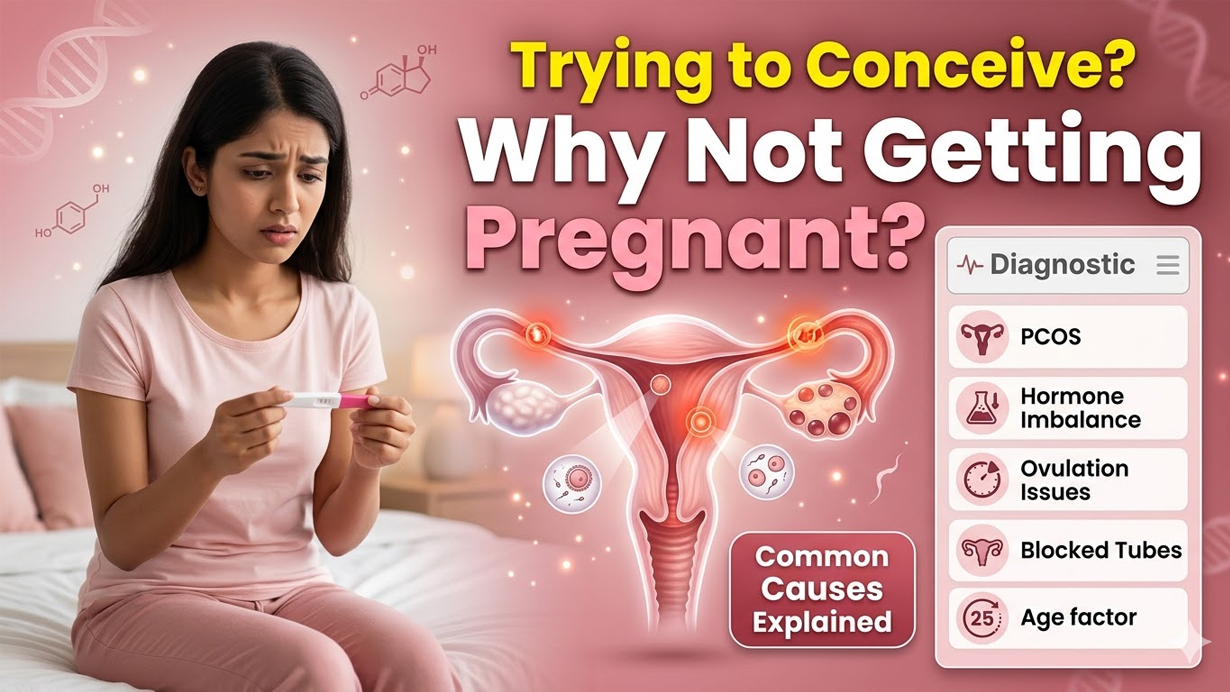
Also Read: Trying to Conceive? Discover the Perfect Timing for Sex (IVF Insights)
Treatment of PMOS — What Are the Options?
Treatment for PMOS depends on your individual symptoms, health goals, and whether you are trying to conceive. Treatment for PMOS depends on whether you wish to become pregnant.
If You Are Not Trying to Conceive:
- Hormonal contraceptives to regulate periods
- Metformin to manage insulin resistance
- Anti-androgen medications for acne and hair growth
- Lifestyle modifications — diet, exercise, and weight management remain the most effective long-term interventions
If You Are Trying to Conceive:
- Ovulation induction with medications like Letrozole or Clomiphene
- Metformin alongside fertility treatment
- IUI (Intrauterine Insemination) in select cases
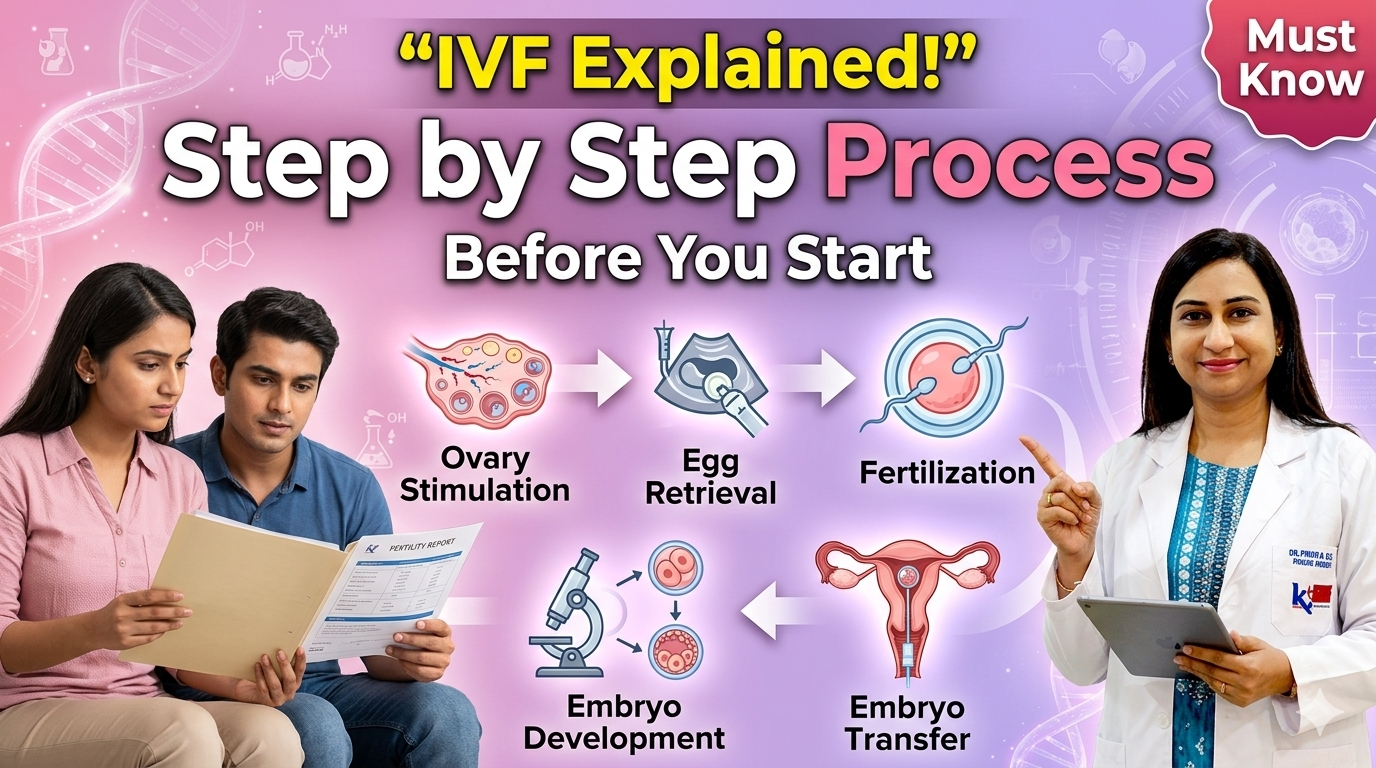
- IVF — for cases where other treatments have not worked, or where additional factors are involved
For Everyone With PMOS:
- Regular monitoring of blood sugar, cholesterol, and blood pressure
- Mental health support — anxiety and depression are recognised features of PMOS
- Nutritional counselling and weight management
PMOS Care at Kailash IVF
At Kailash IVF, our team takes a multidisciplinary approach to PMOS management. Whether your primary concern is irregular periods, skin and hair changes, or difficulty conceiving, the fertility specialists at our centre evaluate the full hormonal and metabolic picture — not just the ovaries.
Dr Monika Gupta and her team offer comprehensive PMOS assessments including hormonal profiling, metabolic screening, pelvic ultrasound, and personalised treatment plans aligned with your fertility goals.
If you have been diagnosed with PCOS — now PMOS — and are looking for answers, clarity, or support on your fertility journey, we are here to help.
Frequently Asked Questions (FAQ)
Q1. What is the new name for PCOS? PCOS has been officially renamed to PMOS — Polyendocrine Metabolic Ovarian Syndrome. The name change was announced in May 2026 and published in The Lancet.
Q2. What does PMOS stand for? PMOS stands for Polyendocrine Metabolic Ovarian Syndrome. It reflects the condition’s hormonal (polyendocrine), metabolic, and ovarian dimensions.
Q3. How do you pronounce PMOS? PMOS is pronounced as individual letters — P-M-O-S. The full name, Polyendocrine Metabolic Ovarian Syndrome, is pronounced: poly-en-do-krin meh-tab-oh-lik oh-vair-ee-an sin-drome.
Q4. Is PCOS and PMOS the same condition? Yes. PMOS is the same condition as PCOS — only the name has changed. The symptoms, diagnosis criteria, and treatments remain the same.
Q5. Has PCOD also been renamed? PCOD is a colloquial term used primarily in India and is not an official international medical classification. The official medical term — PCOS — has now been renamed to PMOS globally.
Q6. Why was PCOS renamed to PMOS? The old name was considered medically inaccurate. It implied that ovarian cysts are the defining feature, when in reality the condition involves multiple hormonal and metabolic systems. The new name better reflects the full complexity of the condition.
Q7. Does PMOS affect fertility? Yes, PMOS can affect fertility primarily by disrupting regular ovulation. However, with proper medical management, many women with PMOS successfully conceive — naturally or with fertility treatment.
Q8. When did PCOS officially become PMOS? The name change was officially published on May 12, 2026, in The Lancet, following a 14-year global consensus process.