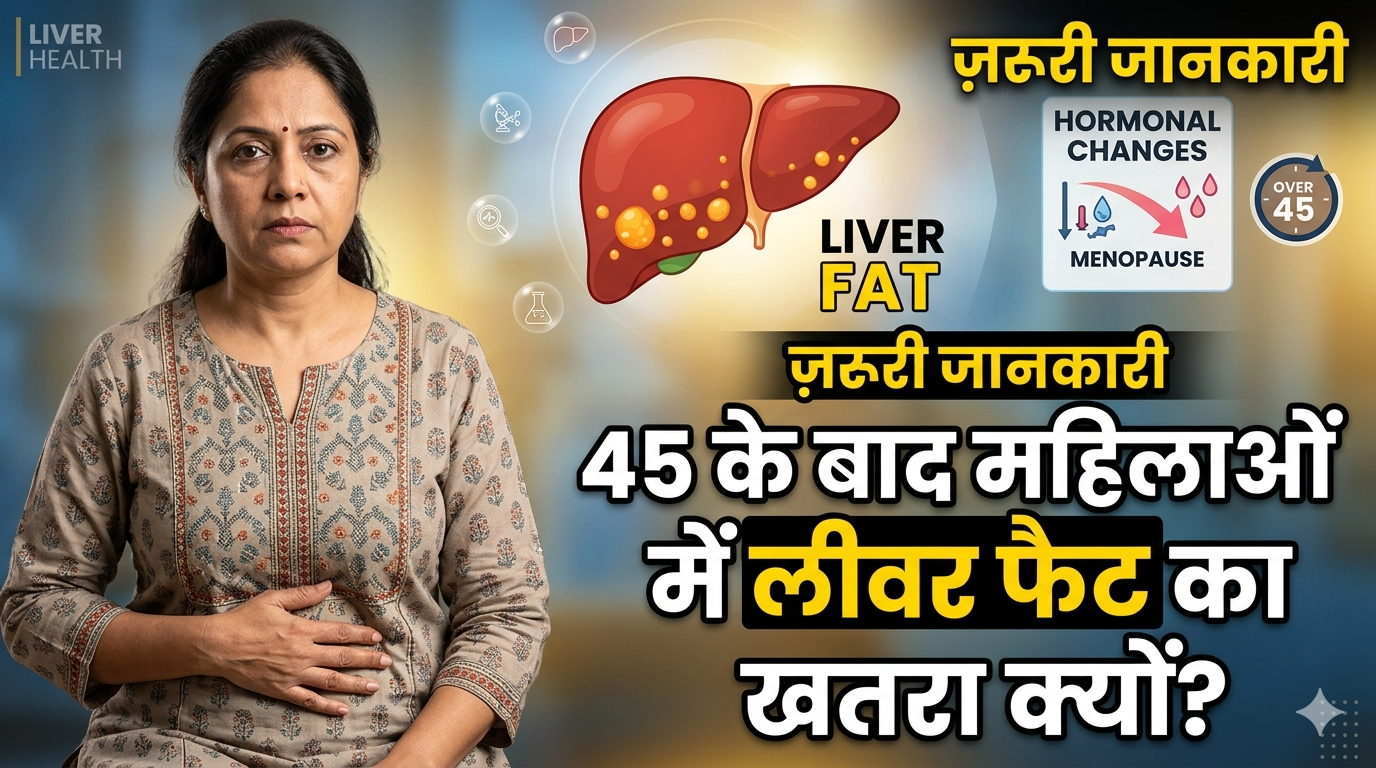
As women approach and enter midlife, typically around the age of 45, their bodies undergo a myriad of changes. While hot flashes and mood swings often steal the spotlight, a more subtle, yet potentially serious, shift occurs internally: an increased risk of developing non-alcoholic fatty liver disease (NAFLD). This condition, often dubbed a “silent killer,” can progress unnoticed for years, potentially leading to severe liver damage if left unaddressed. It’s a health concern that demands attention, especially as reported by leading health experts, including gynaecologists, who observe a significant rise in insulin resistance among women in this age bracket.
The Midlife Metabolic Shift: Understanding the ‘Why’
Midlife, especially the perimenopausal and menopausal phases, marks a profound physiological transition for women. The primary driver behind many of these changes is fluctuating and eventually declining levels of estrogen. Estrogen is not merely a reproductive hormone; it plays a crucial role in regulating metabolism, fat distribution, and insulin sensitivity throughout a woman’s younger years.
Dr. Renu Chawla, a distinguished Gynaecologist at Kailash Deepak Hospital, Delhi, emphasizes, “Estrogen has a protective effect on women’s metabolic health. It helps maintain insulin sensitivity and encourages fat storage in subcutaneous areas, like the hips and thighs, rather than around vital organs. As estrogen levels decline during menopause, this protective shield weakens, leading to a redistribution of fat from the periphery to the abdomen and around internal organs, including the liver.” This shift makes the liver more susceptible to accumulating fat.
Insulin Resistance: The Silent Culprit
Beyond the direct effects of estrogen, insulin resistance emerges as a significant player in accelerating liver fat accumulation in women over 45. Insulin is a hormone that allows your body to use glucose (sugar) from carbohydrates for energy or to store it for future use. When you become insulin-resistant, your cells don’t respond well to insulin, and glucose builds up in your blood. To compensate, your pancreas produces more insulin, leading to elevated insulin levels.
Beyond Hormones: Lifestyle Factors at Play
While hormonal changes are foundational, lifestyle choices significantly amplify or mitigate the risk of fatty liver disease. For many women in midlife, the demands of career, family, and other responsibilities can lead to habits that inadvertently harm metabolic health.
- Sedentary Lifestyle: Reduced physical activity, often due to busy schedules or decreased energy levels, means fewer calories are burned, and muscles become less efficient at using glucose, worsening insulin resistance.
- Dietary Choices: A diet high in refined carbohydrates, added sugars, unhealthy fats, and processed foods is a direct contributor to both weight gain and fatty liver. Sugary drinks, in particular, are rapidly converted to fat in the liver.
- Stress: Chronic stress can elevate cortisol levels, which in turn can increase blood sugar and promote abdominal fat storage, further fueling insulin resistance and liver fat.
- Sleep Deprivation: Poor sleep quality and insufficient sleep can disrupt metabolic hormones, impacting insulin sensitivity and leading to increased hunger and cravings for unhealthy foods.
- Alcohol Consumption: While NAFLD specifically refers to non-alcoholic fatty liver, alcohol can exacerbate any pre-existing liver issues and contributes to overall liver burden.
Recognizing the Warning Signs: When to Seek Help
One of the challenging aspects of fatty liver disease is its often asymptomatic nature in early stages. Many women only discover they have NAFLD during routine blood tests that show elevated liver enzymes, or through imaging like an ultrasound or MRI for other reasons.
However, some subtle signs might include:
- Persistent fatigue
- Dull ache or discomfort in the upper right abdomen
- Unexplained weight gain, especially around the waist (central obesity)
- Darkening of the skin, particularly around the neck or armpits (acanthosis nigricans), which can be a sign of insulin resistance.
- Fluid retention or swelling in the ankles (in more advanced stages).
If you experience any of these symptoms or if you have risk factors like type 2 diabetes, high cholesterol, or obesity, it’s crucial to consult a healthcare professional. A simple blood test to check liver enzymes and a physical examination can be the first step. Further diagnostic tests might include an ultrasound or FibroScan to assess the extent of liver fat and scarring. When seeking a Gynaecologist in Delhi or a leading liver specialist in Delhi NCR, ensure they take a holistic approach to your health, considering all aspects of your metabolic profile.
Your Action Plan: Practical Steps for a Healthy Liver and Metabolism
The good news is that fatty liver disease, especially in its early stages, is often reversible or manageable through targeted lifestyle interventions. Here’s your comprehensive action plan:
- Prioritize a Balanced, Whole-Food Diet:
- Focus on fibre: Load up on fruits, vegetables, whole grains (like oats, brown rice, millets), and legumes. Fibre helps regulate blood sugar, promotes satiety, and supports gut health.
- Choose lean proteins: Include chicken, fish, eggs, dairy, and plant-based proteins like lentils and beans. Protein helps maintain muscle mass and can aid in weight management.
- Embrace healthy fats: Incorporate avocados, nuts, seeds, and olive oil in moderation. Avoid trans fats and limit saturated fats.
- Severely limit refined sugars and processed foods: These are the biggest culprits for liver fat accumulation. Read labels carefully.
- Hydrate wisely: Drink plenty of water throughout the day. Limit sugary beverages, including fruit juices.
- Move Your Body Regularly:
- Aim for at least 150 minutes of moderate-intensity aerobic exercise per week: This could include brisk walking, jogging, cycling, swimming, or dancing.
- Incorporate strength training 2-3 times a week: Building muscle mass improves insulin sensitivity and boosts metabolism.
- Minimize sedentary time: Break up long periods of sitting with short walks or stretches every hour.
- Manage Stress Effectively:
- Practice mindfulness and meditation: Even a few minutes a day can significantly reduce stress levels.
- Engage in hobbies and activities you enjoy: This helps divert your mind from stressors.
- Consider yoga or deep breathing exercises: These can calm the nervous system.
- Optimize Your Sleep:
- Aim for 7-9 hours of quality sleep per night: Establish a consistent sleep schedule.
- Create a relaxing bedtime routine: Avoid screens before bed, keep your bedroom dark, cool, and quiet.
- Maintain a Healthy Weight:
- Even a modest weight loss of 5-10% of your body weight can significantly improve fatty liver and insulin resistance.
- Focus on sustainable, gradual changes rather than restrictive crash diets.
- Limit Alcohol Intake:
- While NAFLD is non-alcoholic, alcohol can still damage the liver. For liver health, moderation is key, and for those with existing liver issues, complete abstinence may be advised by your doctor.
Also Read : Heart Health After 40: Why Your Heart Needs Extra Attention as You Age
Expert Insights: A Doctor’s Perspective on Women’s Liver Health
The conversation around women’s health in midlife often focuses on reproductive and bone health, sometimes overlooking crucial metabolic changes.
Dr. Renu Chawla, a leading Gynaecologist at Kailash Deepak Hospital in Delhi, underscores the importance of a proactive approach: “It’s essential for women over 45 to have open discussions with their doctors about their metabolic health, not just their hormonal symptoms. We need to move beyond just managing menopause to actively preventing conditions like fatty liver disease, which can have long-term repercussions on cardiovascular health and increase the risk of liver cancer.”
She further adds, “Many women assume that body changes are an inevitable part of aging. While some are, the progression to severe fatty liver or related metabolic disorders is largely preventable. Regular screenings for blood sugar, cholesterol, and liver enzymes should become a standard part of annual check-ups for women in this age group, especially if they have risk factors like a family history of diabetes or heart disease.”
Taking Control: Empowering Your Health Journey
The journey through midlife is an opportunity to recalibrate your health priorities. While the risk of fatty liver and insulin resistance may increase for women over 45, it is by no means an unchangeable fate. Armed with knowledge and a commitment to lifestyle adjustments, you have the power to protect your liver, enhance your metabolic health, and embrace this new chapter with renewed vigour.
By understanding the unique physiological shifts, making informed dietary choices, staying physically active, and proactively engaging with healthcare professionals like Gynaecologists in Delhi, you can effectively mitigate risks and ensure your liver remains a hardworking, healthy organ for years to come. Your liver works tirelessly for you; it’s time to return the favour.