Introduction
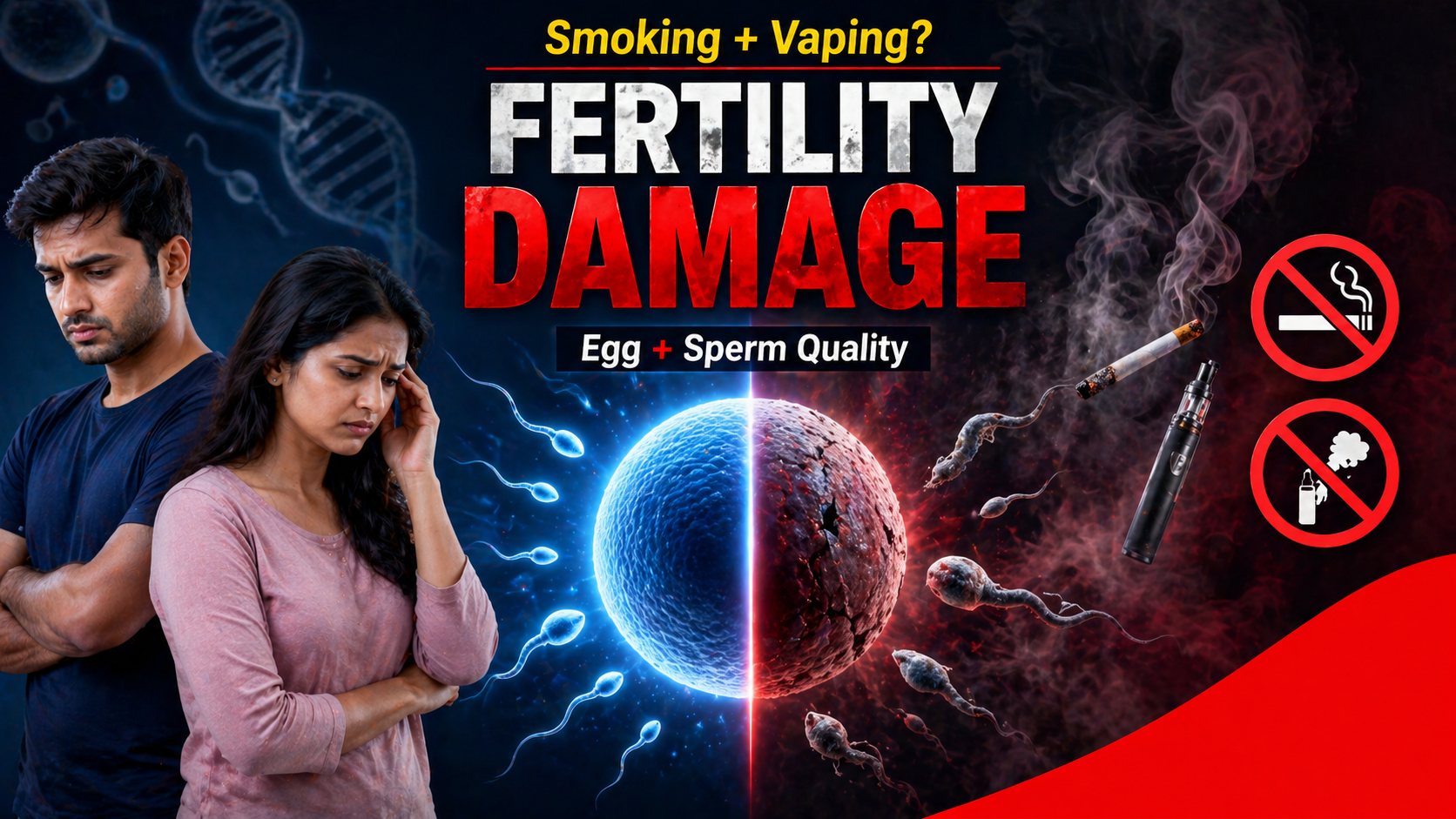
Trying to conceive — naturally or through IVF — requires your body to be at its healthiest. Yet one of the most overlooked threats to fertility is hiding in plain sight: smoking and vaping.
Whether it is a few cigarettes a day, an occasional vape session, or even passive exposure to secondhand smoke, tobacco and nicotine-based products silently damage the very cells responsible for creating life — eggs (oocytes) and sperm.
In India, awareness around the reproductive impact of smoking remains critically low. Many couples arrive at fertility clinics having never been told that their smoking habits could be the primary reason behind failed conception attempts or poor IVF outcomes.
“Smoking is one of the most preventable causes of infertility. I counsel every patient — male and female — to stop smoking at least three months before beginning any fertility treatment. The difference it makes is significant.” — Dr. Monika Gupta, IVF & Fertility Specialist, Kailash IVF
How Smoking Damages Egg Quality in Women
The Ovarian Reserve Problem
A woman is born with a fixed number of eggs. Unlike sperm, eggs are not replenished. Smoking accelerates the depletion of ovarian reserve — meaning smokers effectively age their ovaries faster than non-smokers.
Research consistently shows that women who smoke experience:
- Earlier menopause (by 1–4 years on average)
- Lower antral follicle count (AFC) — a direct measure of egg reserve
- Reduced AMH (Anti-Müllerian Hormone) levels — the key marker of ovarian reserve
Toxins That Harm Eggs
Cigarette smoke contains over 7,000 chemicals, including:
| Toxin | Effect on Female Fertility |
|---|---|
| Nicotine | Disrupts hormonal signaling; impairs follicle development |
| Cadmium | Accumulates in ovarian tissue; damages egg DNA |
| Benzo[a]pyrene | Triggers premature egg death (apoptosis) |
| Carbon Monoxide | Reduces oxygen supply to reproductive organs |
| PAHs (Polycyclic Aromatic Hydrocarbons) | Destroy follicle cells surrounding eggs |
Hormonal Disruption
Smoking interferes with estrogen and FSH (follicle-stimulating hormone) balance. This leads to:
- Irregular or anovulatory menstrual cycles
- Poor follicular response during IVF stimulation
- Thinner endometrial lining — making implantation difficult
- Higher risk of miscarriage even after successful fertilisation
DNA Damage in Eggs
Perhaps the most concerning effect: smoking causes oxidative stress at a cellular level. This oxidative damage directly affects the DNA inside eggs — leading to chromosomally abnormal embryos, higher miscarriage rates, and lower live birth outcomes.
How Smoking Affects Sperm Quality in Men
Male fertility is equally at risk. Cigarette smoke doesn’t just harm the lungs — it reaches the testes and seminal fluid, altering sperm at every level.
Key Parameters Affected
| Semen Parameter | Effect of Smoking |
|---|---|
| Sperm Count | Reduced by 15–20% in moderate smokers |
| Sperm Motility | Forward-swimming ability is impaired |
| Sperm Morphology | Higher % of abnormally shaped sperm |
| Sperm DNA Fragmentation | Significantly elevated — leads to embryo failure |
| Seminal Volume | Can be reduced |
| Reactive Oxygen Species (ROS) | Markedly increased — damages sperm membranes |
DNA Fragmentation: The Hidden Problem
This is the factor most couples and even some clinicians overlook. Sperm DNA fragmentation (SDF) — the percentage of sperm with broken DNA strands — is dramatically higher in smokers.
High SDF leads to:
- Fertilisation failure
- Poor-quality embryos
- Recurrent IVF failures
- Early miscarriages (even when embryos look “normal” under microscope)
A standard semen analysis will not detect DNA fragmentation. A separate Sperm DNA Fragmentation Test is required — something routinely evaluated at Kailash IVF for couples with unexplained infertility or repeated IVF failures.
Testosterone & Hormonal Impact
Smoking also suppresses testosterone production and elevates oxidative stress in the testes, contributing to reduced libido, erectile issues, and lower overall semen quality over time.
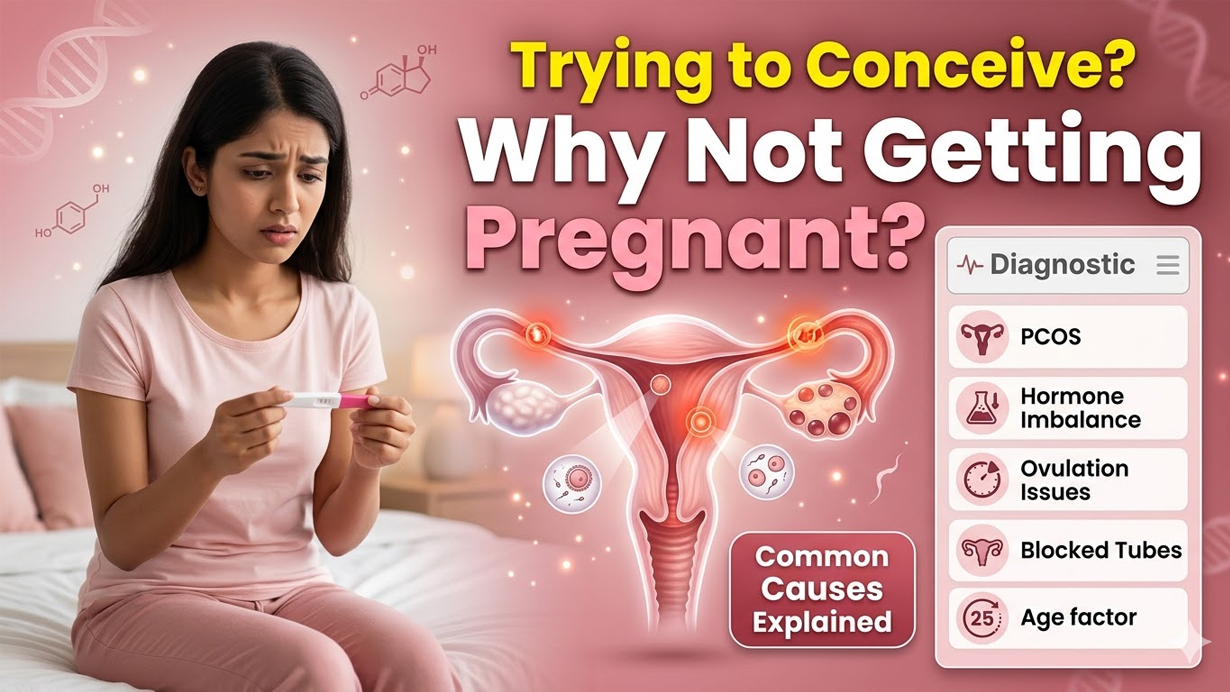
Why Am I Not Getting Pregnant? Common Causes of Female Infertility
Vaping & E-Cigarettes: Are They Any Safer for Fertility?
Many people switch to vaping thinking it is a “safer” alternative. From a fertility standpoint, the picture is concerning.
What’s in Vape Aerosol?
E-cigarettes heat a liquid (e-liquid or vape juice) that typically contains:
- Nicotine (in most products)
- Propylene glycol & vegetable glycerin
- Flavouring chemicals — many of which are untested for reproductive safety
- Acrolein, formaldehyde, acetaldehyde — known toxins
- Heavy metals from the heating coil (nickel, tin, lead)
Impact on Fertility
While vaping avoids combustion, it is not neutral on reproduction:
- Nicotine — present in most e-liquids — has the same hormonal disruption effects as in cigarettes
- Vape aerosol causes oxidative stress in both sperm and egg cells
- Flavouring compounds like diacetyl have been linked to cellular damage
- Heavy metals from vape devices accumulate in reproductive tissues
- Studies on mice models show vaping reduces fertilisation rates and embryo development
“Patients often tell me they’ve switched to vaping as a ‘healthier’ option. I always clarify — from a fertility perspective, nicotine is nicotine. Until you are fully nicotine-free, your reproductive system is still under chemical stress.” — Dr. Monika Gupta, Kailash IVF
Impact on IVF Success Rates
For couples undergoing IVF, smoking status is directly correlated with outcomes:
| IVF Outcome | Smokers vs. Non-Smokers |
|---|---|
| Eggs retrieved per cycle | Up to 40% fewer in female smokers |
| Fertilisation rate | Lower when either partner smokes |
| Embryo quality | More fragmented, lower-grade embryos |
| Implantation rate | Significantly reduced |
| Clinical pregnancy rate | 30–40% lower in smoking couples |
| Live birth rate | Substantially reduced |
| Miscarriage rate | 2–3x higher in smokers |
These are not minor differences — they can be the deciding factor between a successful IVF cycle and a failed one.
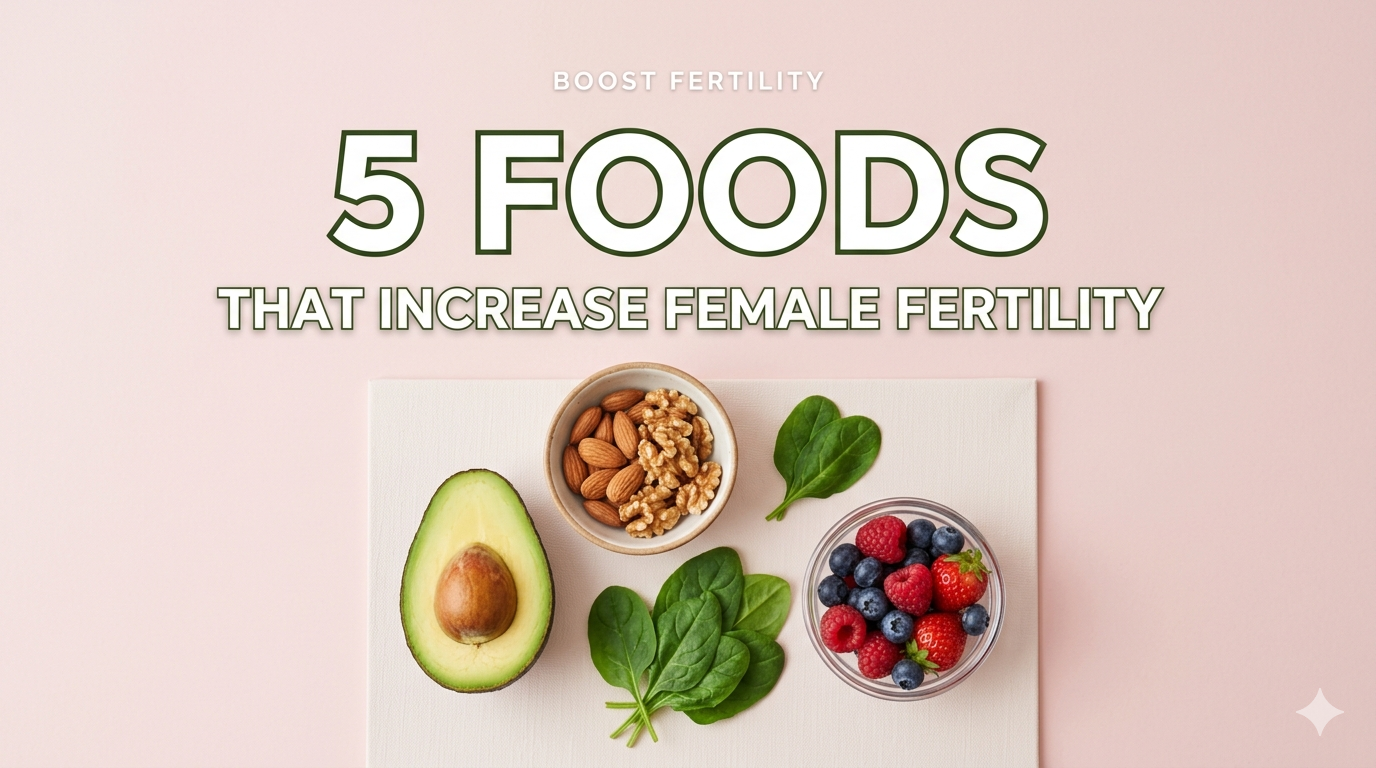
5 Foods That Increase Female Fertility – Kailash IVF
Passive Smoking and Fertility
Even if you don’t smoke, secondhand smoke exposure is harmful.
Women exposed to passive smoking at home or the workplace show:
- Lower ovarian reserve markers (AMH, AFC)
- Disrupted menstrual cycles
- Reduced IVF egg retrieval numbers
Men exposed to consistent secondhand smoke also show measurable declines in sperm motility and elevated DNA fragmentation.
If you are trying to conceive, it is important that both partners — and ideally the household environment — are smoke-free.
How Long After Quitting Does Fertility Improve?
The good news: the reproductive system has a remarkable capacity to recover once smoking stops.
| Timeline After Quitting | What Recovers |
|---|---|
| 2–4 weeks | Improved blood circulation to reproductive organs |
| 1–2 months | Hormonal levels begin to normalise |
| 3 months | Sperm regeneration cycle completes — significant improvement in count, motility, DNA integrity |
| 3–6 months | Egg quality improvement; better ovarian response to stimulation |
| 6–12 months | Endometrial health and uterine blood flow substantially improved |
Sperm takes approximately 72–74 days to mature (one spermatogenesis cycle). This is why fertility specialists recommend quitting at least 3 months before starting IVF treatment.
Egg quality improvement takes longer — typically 3 to 6 months of being smoke-free — though the ovarian reserve lost cannot be restored.
Fertility-Friendly Alternatives & Lifestyle Tips
Quitting is not easy, but these strategies support both cessation and fertility:
To Quit Smoking/Vaping:
- Nicotine Replacement Therapy (NRT) — patches, gum (consult your doctor before use during fertility treatment)
- Behavioural counselling — structured quit programs
- Mindfulness and stress management — stress is a major trigger for smoking
- Speak to your fertility specialist — Kailash IVF offers pre-treatment counselling that includes cessation guidance
To Support Egg & Sperm Recovery:
- Antioxidant-rich diet — Vitamin C, Vitamin E, CoQ10, selenium, zinc — combat oxidative damage caused by prior smoking
- Regular moderate exercise — improves hormonal balance and circulation
- Hydration and sleep — foundational for cellular repair
- Folic acid (women) — 400–800 mcg daily during pre-conception phase
- Avoid alcohol — compounds the oxidative stress from smoking
When to See a Fertility Specialist
You should consult a fertility specialist at Kailash IVF if:
- You or your partner smoke or vape and have been trying to conceive for 6+ months
- You have a history of miscarriages or failed IVF cycles
- You are a current or former smoker with irregular periods or suspected low ovarian reserve
- Your semen analysis shows poor parameters and you are a current or past smoker
- You are planning IVF and want a pre-treatment fertility audit
At Kailash IVF, Dr. Monika Gupta and her team offer comprehensive fertility assessments including AMH testing, antral follicle count, advanced semen analysis with DNA fragmentation testing, and personalised pre-IVF counselling.
Frequently Asked Questions (FAQs)
Q1. Can smoking cause permanent infertility?
Smoking does not always cause permanent infertility, but it significantly reduces fertility potential. Prolonged heavy smoking can cause lasting damage to ovarian reserve in women — that portion of egg loss is irreversible. However, many aspects of fertility, especially sperm quality and hormonal balance, can recover substantially after quitting.
Q2. Does occasional or social smoking also affect fertility?
Yes. There is no established “safe” level of smoking when it comes to fertility. Even light or occasional smoking elevates oxidative stress, affects hormonal levels, and increases sperm DNA fragmentation. Any amount of tobacco use is worth eliminating before trying to conceive.
Q3. My husband smokes but I don’t — can this affect our IVF chances?
Absolutely. Male smoking directly impacts sperm quality, fertilisation rates, and embryo development. Studies show that even when the woman is a non-smoker, a male partner who smokes reduces the couple’s IVF success rate significantly.
Q4. Is vaping safe during IVF treatment?
Vaping is not considered safe during fertility treatment. Nicotine — present in most e-liquids — interferes with hormonal signalling and causes cellular oxidative stress. Kailash IVF advises all patients to be fully nicotine-free (including vaping) before and during IVF cycles.
Q5. How soon before IVF should I quit smoking?
Ideally, quit at least 3 months before starting IVF. This allows one full sperm regeneration cycle to complete in men and gives the body time to begin recovering hormonal balance and egg quality in women. The earlier you quit, the better.
Q6. Will quitting smoking improve my AMH levels?
AMH reflects your existing ovarian reserve, which cannot be increased. However, quitting smoking can slow further decline, improve the quality of remaining eggs, and significantly improve how your ovaries respond to IVF stimulation medications.
Q7. What tests should I get done if I am a smoker planning IVF?
Dr. Monika Gupta recommends the following baseline tests for smokers planning IVF:
- Women: AMH, AFC (antral follicle count), Day 2/3 FSH & Estradiol, uterine assessment
- Men: Advanced semen analysis + Sperm DNA Fragmentation (SDF) test
Q8. Can antioxidant supplements help recover egg/sperm quality after quitting?
Yes, antioxidant supplementation — including CoQ10, Vitamin C, Vitamin E, zinc, and selenium — can help neutralise residual oxidative damage caused by smoking. However, they should be taken under the guidance of your fertility specialist, as dosages matter.
📍 Kailash IVF | Fertility Specialists You Can Trust Book a consultation with Dr. Monika Gupta today and take the first step toward your parenthood journey — smoke-free and fertility-ready.