


Heart Health After 40: Why Your Heart Needs Extra Attention as You Age

Heart Health After 40 | kailash deepak hospital

Many people believe that heart disease only affects elderly individuals. However, cardiologists often observe that the risk of cardiovascular problems begins to rise significantly after the age of 40. At this stage of life, several biological and lifestyle-related changes start influencing the health of the heart and blood vessels.

Work stress, lack of physical activity, unhealthy eating habits, and long-term lifestyle patterns can slowly affect the cardiovascular system. Unfortunately, the damage often develops silently for years before symptoms appear.

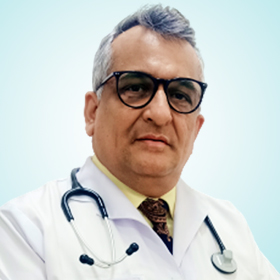
According to Dr. Ajay Mittal, Senior Consultant Interventional Cardiology, Kailash Deepak Hospital, Delhi, preventive awareness becomes extremely important once a person enters their forties.

“Most cardiac conditions develop gradually over time. People who begin monitoring their heart health after 40 can prevent many serious complications later in life,” says Dr. Ajay Mittal.

Medical experts at Kailash Deepak Hospital, Delhi encourage individuals to adopt heart-friendly habits and undergo regular health screenings.


What Changes in the Body After 40?

Crossing the age of forty often brings noticeable changes in metabolism, hormonal balance, and vascular health.

Blood vessels may begin to lose their flexibility, which makes it harder for them to expand and contract efficiently. This can gradually increase blood pressure and force the heart to work harder to pump blood.

Another important factor is the buildup of cholesterol deposits inside arteries. Over time, these deposits can reduce blood flow to the heart.

“Artery narrowing is one of the major reasons behind heart attacks in middle-aged individuals,” explains Dr. Ajay Mittal, Senior Consultant Interventional Cardiology, Kailash Deepak Hospital, Delhi.

Because these changes usually occur slowly, many individuals remain unaware of their heart health risks.


Early Signals Your Heart May Be Under Stress

Dramatic symptoms are not often the first signs of heart issues. In many cases, the body gives subtle warnings that should not be ignored.

Some signs that may indicate heart strain include:

  • feeling unusually tired during routine activities
  • shortness of breath while climbing stairs
  • mild pressure or tightness in the chest
  • irregular heartbeat or palpitations
  • dizziness or lightheadedness

Sometimes these symptoms appear temporarily and disappear, leading people to ignore them. However, medical evaluation is important if such symptoms occur repeatedly.

“Ignoring early warning signs can delay diagnosis. Even mild symptoms deserve medical attention,” says Dr. Ajay Mittal.


Lifestyle Habits That Impact Heart Health

By the time people reach their forties, lifestyle habits formed over decades begin to show their effects on the body.

Sedentary Lifestyle

Desk jobs and reduced physical activity can weaken cardiovascular fitness.

Unhealthy Diet

Frequent consumption of fried foods, processed snacks, and sugary beverages can increase cholesterol levels.

Smoking and Alcohol

Smoking damages the inner lining of blood vessels and accelerates plaque buildup in arteries.

Chronic Stress

Long-term stress can trigger hormonal changes that raise blood pressure and increase heart disease risk.

“Stress management is often overlooked in heart disease prevention, but it has a significant impact on overall cardiovascular health,” notes Dr. Ajay Mittal.


Important Heart Tests After 40

Doctors usually recommend routine heart screening once individuals enter their forties.

These tests help identify hidden cardiovascular risks before symptoms develop.

Some commonly advised tests include:

  • blood pressure monitoring
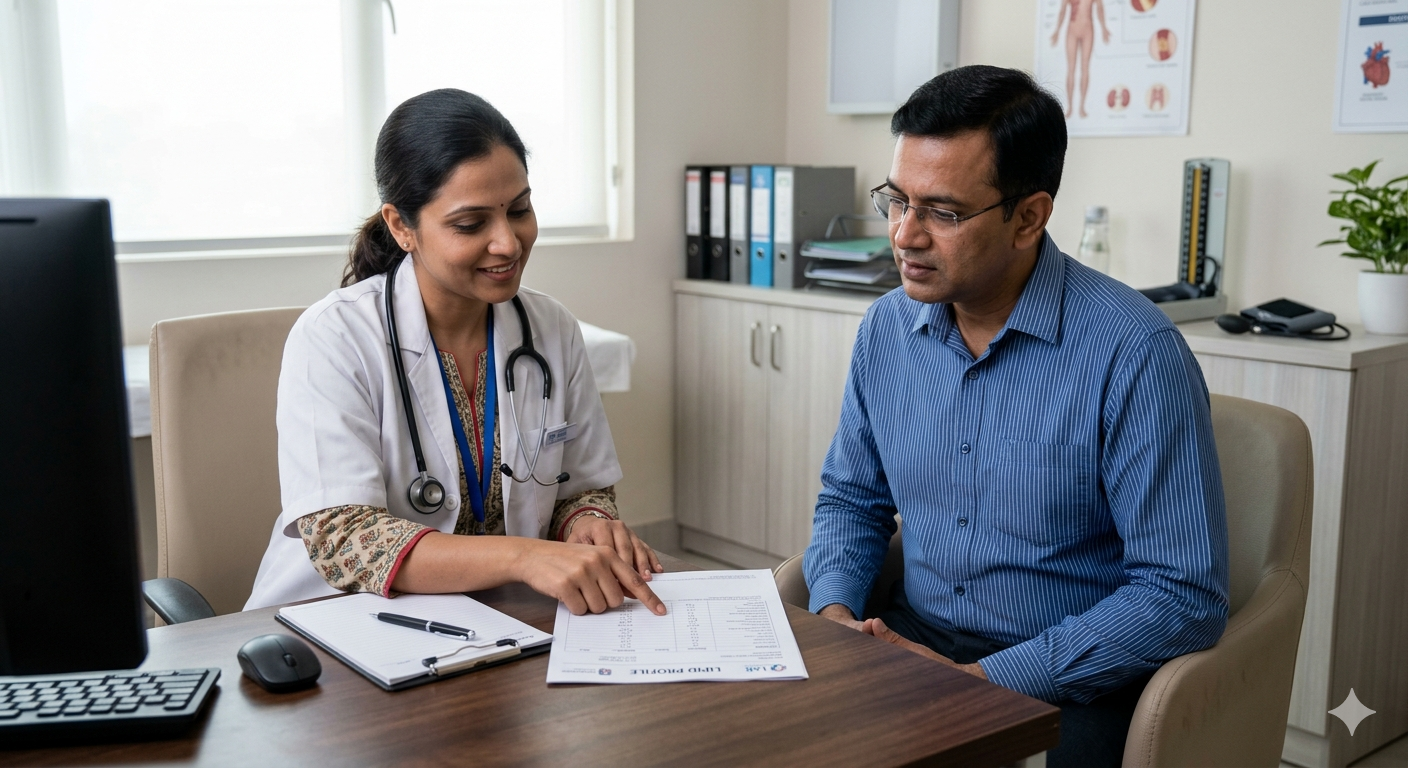
  • cholesterol and lipid profile testing
  • electrocardiogram (ECG)
  • echocardiography
  • treadmill stress testing

“Regular heart screening allows us to detect problems early and guide patients toward preventive treatment,” explains Dr. Ajay Mittal, Senior Consultant Interventional Cardiology, Kailash Deepak Hospital, Delhi.

Facilities like Kailash Deepak Hospital, Delhi offer advanced diagnostic tools for early heart disease detection.


Practical Ways to Protect Your Heart

Fortunately, heart disease risk can often be reduced through healthy lifestyle choices.

Stay Physically Active

Regular exercise strengthens the heart muscle and improves blood circulation.

Choose Heart-Friendly Foods

A balanced diet rich in fruits, vegetables, whole grains, and lean protein supports cardiovascular health.

Maintain Healthy Weight

Obesity increases the likelihood of hypertension, diabetes, and heart disease.

Sleep Well

Adequate sleep allows the body to repair and maintain normal metabolic functions.

Avoid Smoking

Quitting smoking significantly improves heart and lung health.


Why Preventive Cardiology Matters

Preventive cardiology focuses on reducing risk factors before heart disease develops.

Instead of waiting for symptoms to appear, doctors assess lifestyle patterns, medical history, and test results to determine potential risks.

At Kailash Deepak Hospital, Delhi, cardiology specialists emphasize early screening and patient education.

“Prevention is always better than treatment. When patients take preventive steps early, they can avoid major cardiac events in the future,” explains Dr. Ajay Mittal.


Conclusion

Reaching the age of 40 is an important reminder to prioritize health, particularly heart health. While aging naturally increases cardiovascular risks, adopting healthy habits can significantly reduce the chances of serious heart disease.

Regular exercise, balanced nutrition, stress management, and routine health checkups play a crucial role in maintaining a strong and healthy heart.

With guidance from experts like Dr. Ajay Mittal, Senior Consultant Interventional Cardiology, Kailash Deepak Hospital, Delhi, individuals can take proactive steps to protect their cardiovascular health and enjoy a healthier future.

Published By: Dr.Ajay Mittal

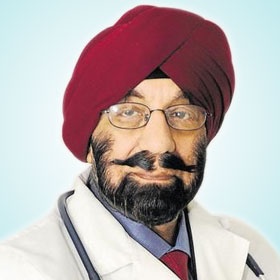
Dr. Ajay Mittal is a Senior Consultant in Interventional Cardiology at Kailash Deepak Hospital in Karkardooma, Delhi. He has over 26 years of experience and is recognized as a leading heart specialist in East Delhi.

Leave a Reply

Your email address will not be published. Required fields are marked *