


For decades, cancer was widely considered a disease that primarily affected older adults. However, recent medical observations and global health data suggest a concerning shift—more young adults are being diagnosed with cancer than ever before. Individuals in their 20s, 30s, and early 40s are increasingly facing cancer diagnoses that were once more common later in life.
This rise in early-onset cancers has sparked serious discussions among medical experts and oncologists worldwide. Factors such as lifestyle habits, environmental exposure, genetic predisposition, and delayed diagnosis may be contributing to this trend.
According to Dr. Sourabh Mukharjee, Sr. Consultant Surgical Oncology, Kailash Deepak Hospital, Delhi, awareness and early screening are critical in tackling this emerging health challenge.
“One of the biggest concerns we are seeing today is that younger individuals often ignore early symptoms because they believe cancer only affects older people. Unfortunately, this delay in diagnosis can make treatment more complicated,” explains Dr. Sourabh Mukharjee.
Understanding why cancer rates are rising in younger adults can help people recognize symptoms earlier and seek medical advice promptly.
The Rising Trend of Cancer in Younger Adults
Over the past decade, healthcare professionals have noticed an increase in several types of cancers among younger populations. This includes cancers affecting the digestive system, reproductive organs, and even the thyroid.
Medical experts believe this rise is linked to a combination of modern lifestyle patterns, dietary habits, stress levels, and environmental exposure. While research is ongoing, the trend highlights the importance of early awareness and preventive health checkups.
At Kailash Deepak Hospital, Delhi, oncology specialists are increasingly treating younger patients diagnosed with cancers that were traditionally seen in older age groups.
“We are observing more cases of colorectal cancer, breast cancer, and certain gastrointestinal cancers in patients under the age of 40. Early evaluation of unusual symptoms is extremely important,” says Dr. Sourabh Mukharjee.
Common Types of Cancer Increasing in Young Adults
Several cancers are now appearing more frequently in younger individuals.
Colorectal Cancer
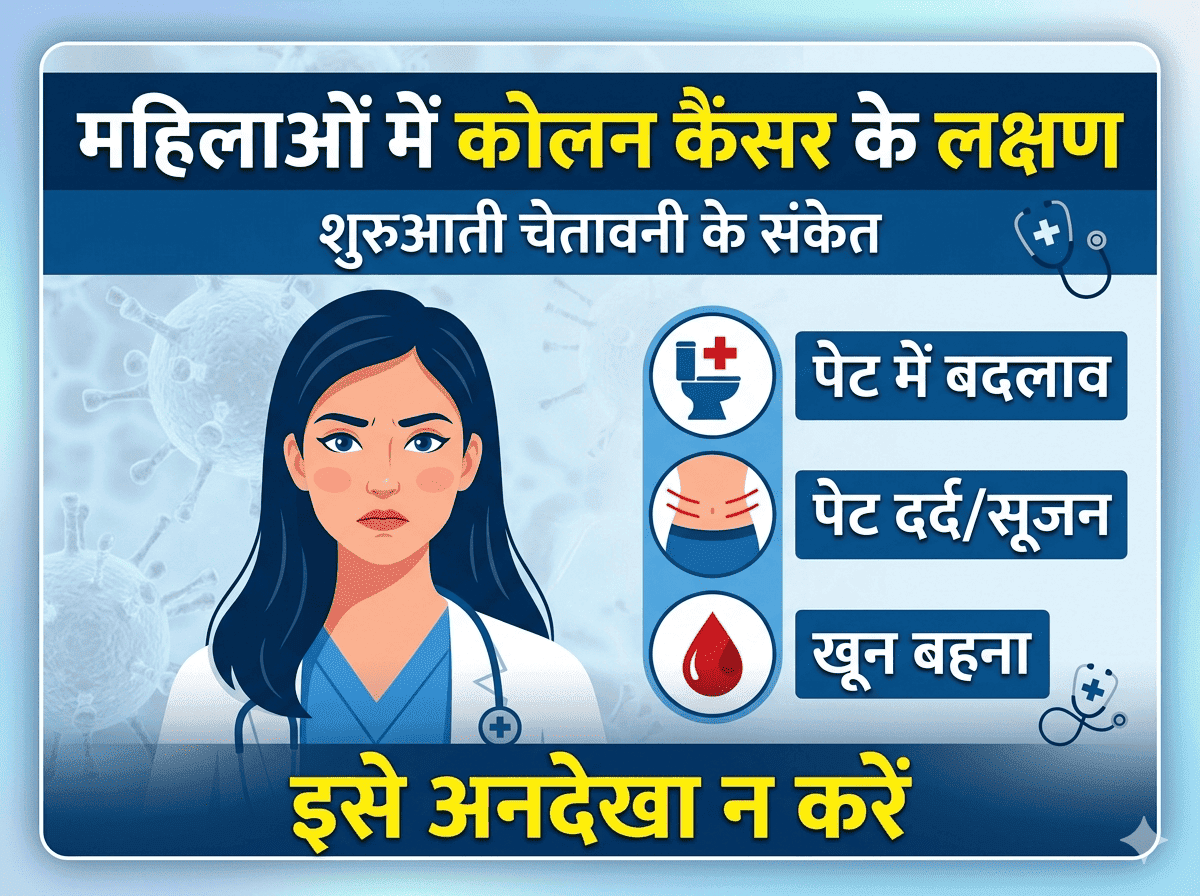
Colorectal cancer is one of the most notable cancers rising among adults under 45. Symptoms often include:
- Changes in bowel habits
- Blood in stool
- Unexplained abdominal discomfort
- Persistent fatigue
Because these symptoms can be mistaken for minor digestive issues, diagnosis is sometimes delayed.
Breast Cancer
Breast cancer remains one of the most commonly diagnosed cancers among women, including younger women in their 20s and 30s.
Common warning signs include:
- A lump in the breast
- Skin dimpling
- Changes in breast shape or size
- Nipple discharge
Regular breast self-examinations and clinical screenings can help detect abnormalities early.
Thyroid Cancer
Thyroid cancer is also being detected more frequently in younger individuals, especially women.
Typical symptoms may include:
- A lump in the neck
- Difficulty swallowing
- Hoarseness of voice
- Persistent throat discomfort
Although thyroid cancer often grows slowly, early detection significantly improves treatment outcomes.
Stomach and Gastrointestinal Cancers
Doctors are also seeing a rise in cancers affecting the digestive system, particularly stomach and pancreatic cancers.
Symptoms can include:
- Persistent indigestion
- Loss of appetite
- Sudden weight loss
- Abdominal pain
“Young adults often dismiss digestive symptoms as acidity or stress-related issues. If these symptoms persist, proper evaluation should not be delayed,” advises Dr. Sourabh Mukharjee, Sr. Consultant Surgical Oncology, Kailash Deepak Hospital, Delhi.
Possible Reasons Behind Rising Cancer Rates
Researchers believe multiple factors may be contributing to the increase in early-onset cancers.
Unhealthy Dietary Habits
Modern diets often contain high levels of processed foods, sugar, and unhealthy fats, which may increase inflammation and affect overall metabolic health.
Frequent consumption of:
- Processed meats
- Fast food
- Sugary beverages
- Ultra-processed snacks
has been associated with increased cancer risk.
Sedentary Lifestyle
Lack of physical activity has become increasingly common due to desk-based work, prolonged screen time, and reduced outdoor activities.
Physical inactivity can contribute to:
- Obesity
- Hormonal imbalances
- Increased inflammation
all of which are risk factors for certain cancers.
Chronic Stress
Long-term stress may weaken the immune system and disrupt hormonal balance, which could influence cancer development.
Young adults today often experience high levels of stress due to:
- Career pressures
- Financial concerns
- Digital overexposure
- Sleep deprivation
Environmental Exposure
Exposure to environmental pollutants, chemicals, and toxins may also play a role in the development of cancer.
This includes exposure to:
- Air pollution
- Industrial chemicals
- Pesticides
- Plastic-derived chemicals
Genetic Factors
Some cancers are linked to inherited genetic mutations that increase susceptibility to certain cancers.
Individuals with a family history of cancer may benefit from genetic counseling and screening programs.
“If a person has a strong family history of cancer, proactive screening can help detect potential issues at a very early stage,” explains Dr. Sourabh Mukharjee.
Early Warning Signs Young Adults Should Not Ignore
One of the biggest challenges in early-onset cancer detection is that symptoms are often ignored or misinterpreted.
Young adults should seek medical evaluation if they experience:
- Unexplained weight loss
- Persistent fatigue
- Unusual lumps or swelling
- Blood in stool or urine
- Changes in bowel or bladder habits
- Persistent pain or discomfort
- Difficulty swallowing
- Unusual bleeding
“Cancer symptoms are not always dramatic in the beginning. Even subtle changes in the body should be evaluated if they persist for several weeks,” says Dr. Sourabh Mukharjee, Sr. Consultant Surgical Oncology, Kailash Deepak Hospital, Delhi.
Importance of Early Diagnosis
Early diagnosis significantly improves treatment outcomes and survival rates.
When cancer is detected in its early stages:
- Treatment options are less invasive
- Recovery rates are higher
- The chances of successful treatment increase
At Kailash Deepak Hospital, Delhi, oncology specialists emphasize comprehensive diagnostic evaluations including imaging, biopsies, and specialized screening procedures.
“Early detection is the most powerful weapon we have against cancer. The sooner we diagnose the disease, the more effective treatment becomes,” highlights Dr. Sourabh Mukharjee.
How Young Adults Can Reduce Cancer Risk
Although not all cancers can be prevented, adopting healthy habits can significantly lower the risk.
Maintain a Balanced Diet
Choose foods that support overall health, such as:
- Fresh fruits and vegetables
- Whole grains
- Lean proteins
- Healthy fats
Limiting processed foods can reduce long-term health risks.
Stay Physically Active
Regular exercise supports immune health and helps maintain healthy body weight.
Experts recommend at least 30 minutes of moderate physical activity most days of the week.
Avoid Smoking and Excessive Alcohol
Tobacco and excessive alcohol consumption are major risk factors for several types of cancer.
Reducing or eliminating these habits can significantly improve long-term health.
Get Regular Health Checkups
Routine medical checkups can detect abnormalities early.
Young adults with persistent symptoms or family history should consult experienced specialists for evaluation.
Conclusion
The rise of cancer in younger adults is a growing global health concern that requires greater awareness, early detection, and proactive lifestyle changes. While modern lifestyles and environmental factors may be contributing to this trend, early diagnosis and medical guidance remain the most effective tools in combating cancer.
Healthcare experts emphasize that no symptom should be ignored simply because of age. If unusual health changes persist, timely consultation with oncology specialists is essential.
At Kailash Deepak Hospital, Delhi, specialists like Dr. Sourabh Mukharjee, Sr. Consultant Surgical Oncology, are actively working to diagnose and treat cancers at earlier stages, helping patients achieve better outcomes through advanced medical care.
By staying informed, adopting healthy habits, and seeking timely medical advice, young adults can take important steps toward protecting their long-term health.