

Beyond Bones: Why Indian Women Need to Prioritize Calcium Much Earlier

In India, discussions around calcium often begin when the first aches of old age set in, or perhaps during pregnancy. We hear whispers of weak bones, osteoporosis, and the need for supplements for our mothers and grandmothers. But what if this approach is dangerously late? What if the foundation for strong bones and a healthy body needs to be laid decades earlier, starting right from childhood and adolescence?

The truth, as highlighted by recent health insights, is that women need to think about calcium much, much earlier than they usually do. For Indian women, this urgency is even greater, given unique dietary patterns, lifestyle factors, and physiological demands that place them at a higher risk of deficiency. Ignoring this vital nutrient in the formative years and through adulthood isn’t just about brittle bones later on; it’s about a cascade of health issues that can compromise overall well-being.

This article delves into why calcium is a non-negotiable nutrient for Indian women, from their vibrant youth to their golden years. We’ll explore its multifaceted roles, uncover the specific vulnerabilities faced by women in India, and arm you with practical strategies to build and maintain your bone bank for a lifetime of strength and vitality.

Beyond the Bones: Calcium’s Multifaceted Role in Women’s Health

While calcium is famously known as the building block for strong bones and teeth, its role in the body is far more extensive and critical. It’s a mineral maestro, orchestrating numerous vital functions that are essential for daily living, let alone long-term health.

“Calcium is not just about skeletal strength; it plays an integral role in nerve signal transmission, muscle contraction—including the crucial heartbeat—and even hormonal secretion,” explains Dr Sujata Bhat, a Senior Consultant Gynaecologist at Kailash Hospital. “For women, this broad spectrum of functions is especially important. A deficiency doesn’t just impact bone density; it can affect mood, energy levels, and the efficiency of various bodily systems.”

Think about it: every time your heart beats, every time a nerve sends a message, every time a muscle moves, calcium is at work. It’s also involved in blood clotting and maintaining cell structure. When calcium levels dip too low, the body cleverly draws calcium from its largest reservoir – your bones – to ensure these life-sustaining functions continue. While this is a brilliant short-term survival mechanism, prolonged reliance on this ‘withdrawal’ ultimately weakens your skeletal structure, making bones porous and fragile over time.

The Silent Drain: Why Indian Women Are Uniquely Vulnerable

While calcium deficiency is a global concern, Indian women face a unique set of challenges that heighten their risk. Understanding these factors is the first step towards addressing them effectively.

  1. Dietary Patterns: Traditional Indian diets, particularly vegetarian ones, might not always provide adequate calcium if not carefully planned. While dairy is a significant source, lactose intolerance is common, and many plant-based diets lack sufficient calcium-rich alternatives or compounds that inhibit calcium absorption (like oxalates in spinach, if not cooked properly).
  2. Vitamin D Deficiency: Calcium absorption is heavily reliant on Vitamin D. Unfortunately, despite abundant sunshine, Vitamin D deficiency is rampant in India. Factors like darker skin tones (which naturally produce less Vitamin D), cultural practices leading to limited sun exposure, indoor lifestyles, and widespread use of sunscreens contribute significantly to this deficit.
  3. Repeated Pregnancies and Lactation: Each pregnancy and period of breastfeeding demands a substantial amount of calcium, as the mother’s body provides this vital nutrient to the developing fetus and nursing infant. If the mother’s dietary intake isn’t sufficient to meet these increased needs, her bone stores are depleted, leading to a significant drop in bone density.
  4. Early Onset of Menopause: While not universal, some Indian women may experience menopause earlier than their Western counterparts. The sharp drop in estrogen levels post-menopause accelerates bone loss, making prior calcium reserves even more critical.
  5. Lack of Awareness and Prioritisation: Historically, women’s health in India has often been deprioritised, with nutritional needs taking a backseat to those of other family members. A general lack of awareness about the long-term consequences of calcium deficiency further exacerbates the problem.

Building Your Bone Bank: The Critical Window from Childhood to Young Adulthood

Imagine your bones as a bank account. Throughout your life, you make deposits and withdrawals. The more you deposit early on, the healthier your balance will be later in life. This concept is known as “peak bone mass”—the maximum amount of bone a person can attain, usually by their late 20s or early 30s.

“The period from childhood through adolescence and into early adulthood is the most crucial time for building peak bone mass,” states Dr. Sushil Sharma, a Senior Consultant Orthopaedics specialist at Kailash Hospital. “Approximately 90% of a woman’s adult bone mass is acquired by age 18. Whatever bone density you build up until then, serves as your ‘bone bank’ for the rest of your life. Failing to maximize this potential means starting with a lower reserve, making you more susceptible to osteoporosis and fractures as you age.”

During these formative years, robust calcium intake combined with regular physical activity acts like compound interest, significantly strengthening your skeletal structure. Adolescence, in particular, is a period of rapid bone growth, demanding substantial calcium to support this expansion. Neglecting calcium during this vital window means you miss the prime opportunity to ‘fill’ your bone bank, setting the stage for future problems.

Also Read : The ‘Silent Killer’ No Woman Should Ignore: Understanding Early Clues of Ovarian Cancer for a Healthier Tomorrow

The Dire Consequences: What Happens When Calcium Falls Short

The repercussions of inadequate calcium are far-reaching, extending beyond just fragile bones.

  1. Osteoporosis: This is perhaps the most well-known consequence. Osteoporosis is a silent disease where bones become weak and brittle, making them susceptible to fractures even from minor falls or stresses. In India, hip and vertebral fractures are common, leading to significant disability, reduced quality of life, and even increased mortality.
  2. Dental Problems: Your teeth are also made of calcium. Deficiency can lead to weaker tooth enamel, increased risk of cavities, gum disease, and even tooth loss.
  3. Muscle Cramps and Fatigue: Calcium plays a critical role in muscle contraction. Insufficient levels can manifest as frequent muscle cramps, especially in the legs, and a general feeling of weakness or fatigue.
  4. Increased Risk During Pregnancy: As mentioned, pregnancy places immense demands on a mother’s calcium reserves. If these are low, it can lead to health complications for both mother (e.g., gestational hypertension, bone density loss) and baby (e.g., impaired fetal bone development).
  5. Heart Palpitations and Nerve Issues: In severe cases, low calcium can disrupt nerve function and heart rhythm, leading to palpitations or tingling sensations.

Your Calcium Toolkit: Practical Strategies for Every Indian Woman

Taking proactive steps to ensure adequate calcium intake is simpler than you might think. Here’s your practical toolkit:

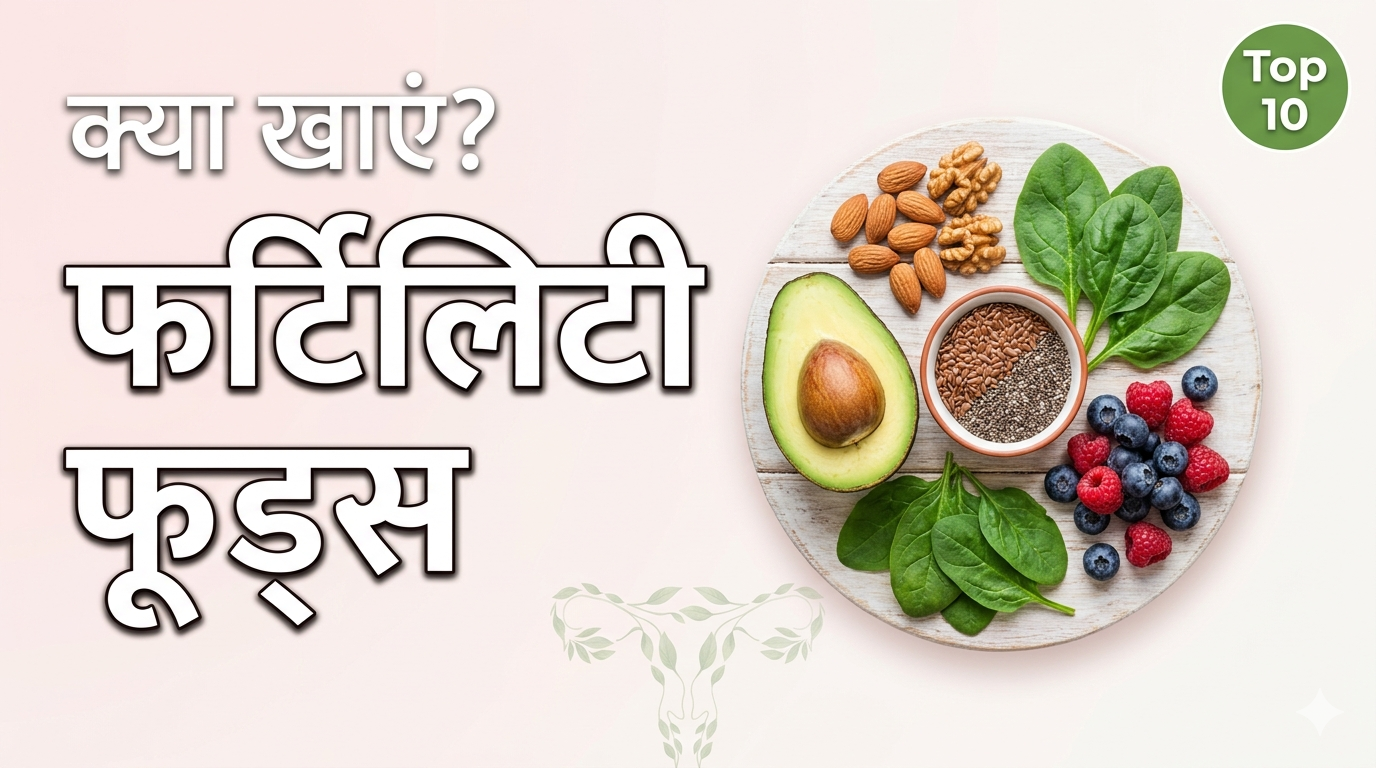
1. Dietary Powerhouses: Fueling Your Body Naturally

Focus on incorporating calcium-rich foods into your daily diet.

  • Dairy Products: Milk, yoghurt (dahi), paneer, and cheese are excellent sources. Aim for 2-3 servings daily. If lactose-intolerant, opt for lactose-free dairy or aged cheeses.
  • Plant-Based Sources:
    • Millets: Ragi (finger millet) is an incredibly rich source of calcium, often overlooked. Incorporate it into rotis, dosas, or porridges.
    • Sesame Seeds (Til): A fantastic source. Sprinkle on salads, use in ladoos, or add to sabzis.
    • Leafy Green Vegetables: Spinach (palak), fenugreek (methi), mustard greens (sarson ka saag), and kale are good. Cook them well to reduce oxalate content, which can hinder absorption.
    • Legumes and Pulses: Certain dals like urad dal, chana dal, and kidney beans (rajma) provide some calcium.
    • Fortified Foods: Look for plant-based milks (almond, soy, oat), juices, and cereals fortified with calcium.

2. The Vitamin D Connection: The Absorption Catalyst

Calcium is useless without Vitamin D, which acts like a key, unlocking your body’s ability to absorb calcium from the gut.

  • Sunlight Exposure: The best natural source. Aim for 10-30 minutes of direct sunlight exposure (without sunscreen) on exposed skin, ideally between 11 AM and 3 PM, a few times a week. Be mindful of skin tone and geography.
  • Dietary Sources: Fatty fish (salmon, mackerel), egg yolks, and fortified foods (milk, orange juice, cereals) offer some Vitamin D.
  • Supplementation: Given the widespread deficiency in India, Vitamin D supplementation is often necessary, especially in Delhi-NCR where indoor lifestyles are common. Always consult your doctor before starting supplements to determine the correct dosage.

3. Lifestyle Anchors: Supporting Bone Health

  • Weight-Bearing Exercise: Activities that put stress on your bones stimulate bone growth and density. Examples include walking, jogging, dancing, climbing stairs, and weight training. Aim for at least 30 minutes, most days of the week.
  • Avoid Smoking and Excessive Alcohol: Both habits are detrimental to bone health. Smoking reduces bone density, and heavy alcohol consumption interferes with calcium absorption and Vitamin D metabolism.

4. When to Consider Supplements

While a food-first approach is ideal, dietary intake alone may not be sufficient for everyone, especially for women with specific needs (e.g., post-menopausal, pregnant, severe deficiency, certain medical conditions).

  • Always consult your doctor or a registered dietitian before taking calcium or Vitamin D supplements. They can assess your individual needs and recommend the appropriate type and dosage. Self-medication can lead to complications.

Taking Charge: Early Detection and Regular Check-ups

Don’t wait for symptoms to appear. Being proactive about your bone health involves regular check-ups and, if recommended, screening.

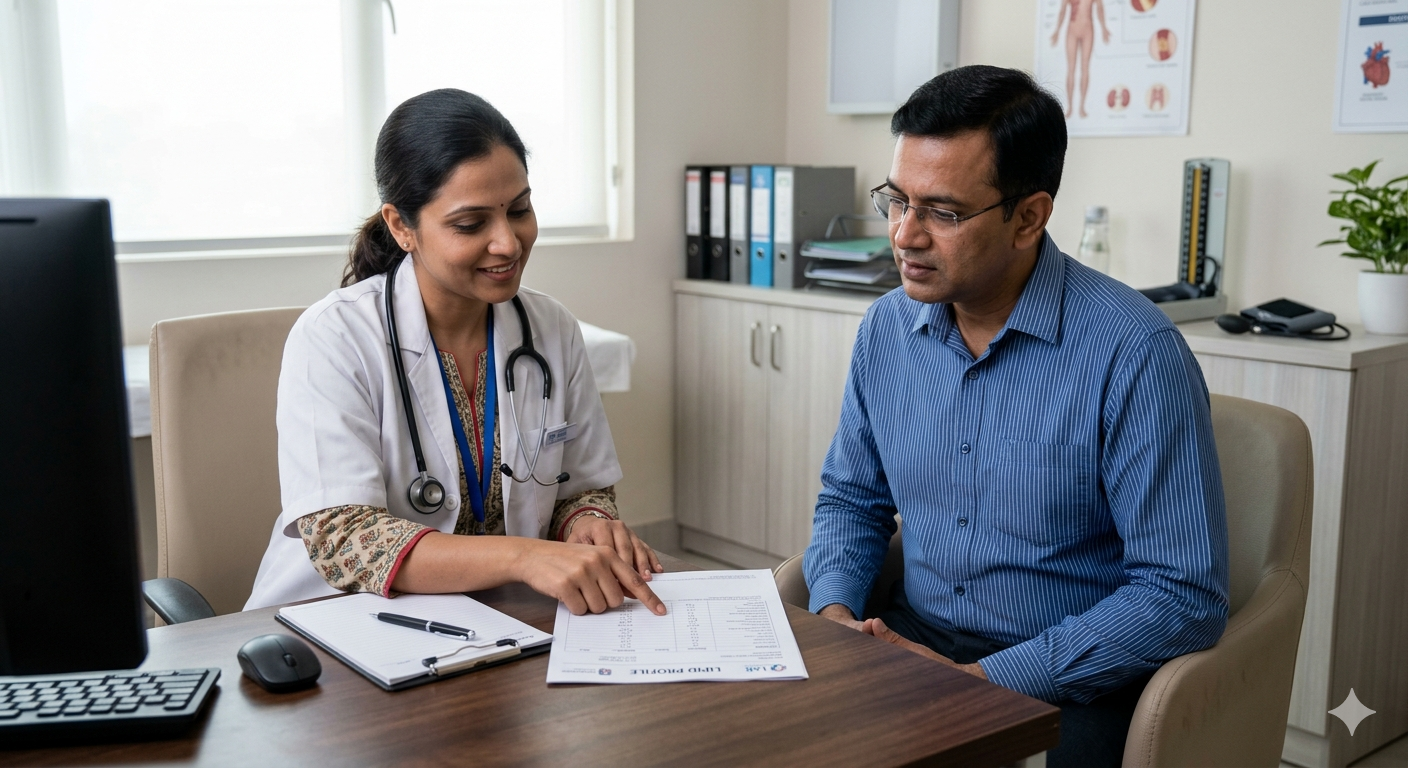
  • Consult Your Doctor: Discuss your diet, lifestyle, family history of osteoporosis, and any concerns you have about calcium intake with your general physician or gynaecologist.
  • Bone Density Scans (DEXA): For women with risk factors (early menopause, family history, certain medications, previous fractures), your doctor might recommend a DEXA scan. This test measures bone mineral density and can help diagnose osteopenia (low bone mass) or osteoporosis before fractures occur. Early detection allows for timely interventions.
  • Calcium intake in Ghaziabad and other urban areas often highlights a disparity between awareness and actual dietary practices. Regular health camps and screenings can play a vital role in identifying at-risk individuals and providing targeted advice.

A Call to Action for Indian Women (and Families)

Your bone health is an investment, not an expense. For Indian women, taking charge of calcium intake from a young age is an act of self-care that reaps lifelong rewards. It’s about empowering yourself to live a life free from the constraints of fragile bones and the myriad health issues linked to deficiency.

Encourage your daughters, sisters, and friends to prioritize calcium. Make it a family affair to incorporate calcium-rich foods into meals and embrace active lifestyles. A strong foundation laid today means a healthier, more vibrant tomorrow.

Conclusion

Calcium is an essential nutrient that deserves our attention much earlier in life, especially for Indian women. From building peak bone mass in youth to supporting crucial bodily functions throughout adulthood and safeguarding against osteoporosis in later years, its importance cannot be overstated. By understanding the unique vulnerabilities, making conscious dietary choices, embracing a healthy lifestyle, and seeking timely medical advice, Indian women can proactively build a robust “bone bank” and ensure a future filled with strength, vitality, and well-being. Don’t wait for old age to think about your bones; start today.

Summary
Beyond Bones: Why Indian Women Need to Prioritize Calcium Much Earlier
Article Name
Beyond Bones: Why Indian Women Need to Prioritize Calcium Much Earlier
Description
In India, discussions around calcium often begin when the first aches of old age set in, or perhaps during pregnancy. We hear whispers of weak bones, osteoporosis, and the need for supplements for our mothers and grandmothers. But what if this approach is dangerously late? What if the foundation for strong bones and a healthy body needs to be laid decades earlier, starting right from childhood and adolescence?
Author
Dr. Sujata Bhat
Publisher Name
Dr. Sujata Bhat
Publisher Logo

Leave a Reply

Your email address will not be published. Required fields are marked *