
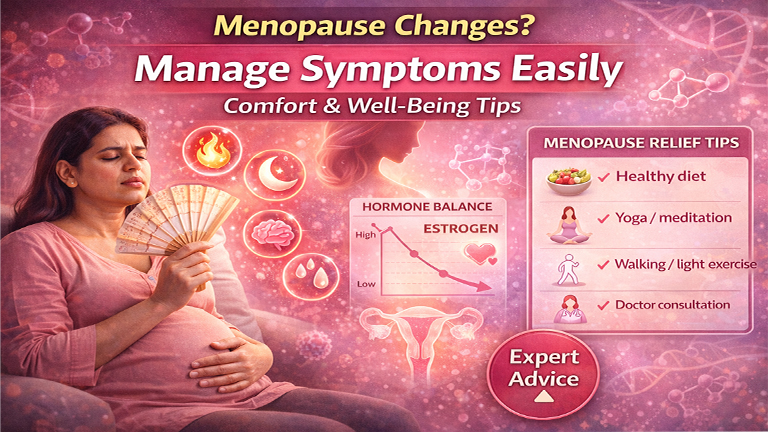
Menopause is a natural part of a woman’s life journey, marking the time when her menstrual cycles cease. It typically occurs between the ages of 45 and 55 and is officially diagnosed after a woman has gone 12 consecutive months without a menstrual period. While menopause is a normal life transition, the hormonal changes that accompany it can cause a variety of physical and emotional symptoms that affect daily life.
Many women experience symptoms such as hot flashes, night sweats, mood swings, sleep disturbances, fatigue, and vaginal dryness during menopause. These changes occur because the body gradually produces lower levels of estrogen and progesterone.
Although menopause symptoms vary from woman to woman, there are several effective strategies that can help ease discomfort and improve quality of life. Understanding these symptoms and adopting healthy lifestyle habits can make the menopause transition smoother and more manageable.
Understanding Menopause and Its Symptoms
Menopause occurs when the ovaries stop producing eggs and the body’s estrogen levels decline. This hormonal shift affects several systems in the body, leading to noticeable physical and emotional changes.
Some of the most common menopause symptoms include:
- Hot flashes and night sweats
- Mood swings and irritability
- Sleep problems or insomnia
- Fatigue and low energy
- Vaginal dryness and discomfort
- Reduced libido
- Difficulty concentrating or memory issues
- Weight gain and slower metabolism
For many women, these symptoms can last for several years during the transition period known as perimenopause and sometimes continue after menopause.
Lifestyle Changes That Can Help Ease Menopause Symptoms
Making certain lifestyle adjustments is one of the most effective ways to manage menopause symptoms naturally. Small changes in diet, exercise, and daily routines can significantly improve overall well-being.
1. Follow a Balanced and Nutrient-Rich Diet
Nutrition is key when it comes to managing the symptoms of menopause. Hormonal changes can increase the risk of weight gain, bone loss, and heart disease, making a healthy diet especially important during this stage of life.
A menopause-friendly diet should include:
- Calcium-rich foods such as milk, yogurt, and leafy greens for bone health
- Protein sources like beans, lentils, eggs, and lean meats to maintain muscle mass
- Whole grains for sustained energy and digestion
- Healthy fats such as nuts, seeds, and olive oil
- Fruits and vegetables rich in antioxidants
Certain foods such as spicy dishes, caffeine, and alcohol may trigger hot flashes in some women, so reducing their intake may help minimize symptoms.
2. Stay Physically Active
Regular physical activity offers multiple benefits during menopause. Exercise helps regulate mood, maintain a healthy weight, and support heart health.
Some effective exercises during menopause include:
- Walking or jogging
- Yoga and stretching
- Strength training
- Swimming or cycling
Exercise also helps improve sleep quality and reduces stress levels, both of which are common concerns during menopause.
Experts recommend at least 30 minutes of moderate physical activity most days of the week.
3. Improve Sleep Habits
Sleep disturbances and insomnia are common menopause symptoms. Night sweats and hormonal fluctuations often interfere with restful sleep.
To improve sleep quality during menopause:
- Maintain a consistent sleep schedule
- Avoid caffeine in the evening
- Keep the bedroom cool and comfortable
- Limit screen time before bedtime
- Practice relaxation techniques like meditation or deep breathing
Developing healthy sleep habits can help reduce fatigue and improve daily energy levels.
4. Manage Stress and Emotional Changes
Hormonal fluctuations during menopause can affect emotional well-being, leading to mood swings, irritability, and anxiety.
Managing stress effectively can help stabilize mood and improve mental health.
Some helpful stress-management techniques include:
- Meditation and mindfulness
- Breathing exercises
- Spending time in nature
- Talking to supportive friends or family
- Practicing hobbies or creative activities
Maintaining emotional balance is an important part of overall menopause management.
5. Stay Hydrated
Drinking enough water can help reduce several menopause-related symptoms such as bloating, dryness, and fatigue.
Hydration also supports metabolism and digestion. Experts recommend drinking 8–10 glasses of water daily, depending on activity levels and climate conditions.
Water-rich foods like fruits and vegetables can also contribute to daily hydration needs.
6. Maintain Bone Health
One of the long-term health concerns associated with menopause is bone loss, which increases the risk of osteoporosis.
Estrogen plays a key role in maintaining bone density, and its decline during menopause may weaken bones over time.
To support bone health:
- Consume calcium-rich foods
- Ensure adequate vitamin D intake
- Engage in weight-bearing exercises
- Avoid smoking and excessive alcohol consumption
These steps help protect bones and reduce the risk of fractures.
7. Consider Natural Remedies for Menopause Symptoms
Some women explore natural remedies to manage menopause symptoms. While results vary, certain options may provide relief.
Common natural approaches include:
- Herbal teas such as chamomile or peppermint
- Soy-based foods containing plant estrogens
- Flaxseeds for hormone balance
- Relaxation therapies like acupuncture
Before trying supplements or herbal remedies, it is always advisable to consult a healthcare professional.
8. Maintain a Healthy Weight
Hormonal changes during menopause can slow metabolism and make weight management more challenging.
Maintaining a healthy weight can help reduce several menopause symptoms, including hot flashes and joint discomfort.
Combining balanced nutrition with regular physical activity is the most effective strategy for managing weight during menopause.
Also read : Unexplained Infertility: कारण, जांच और आधुनिक उपचार विकल्प
When to Seek Medical Advice
While many menopause symptoms can be managed through lifestyle changes, some women may experience severe symptoms that significantly affect their quality of life.
Medical advice should be sought if symptoms include:
- Extremely frequent hot flashes
- Severe mood changes or depression
- Persistent sleep disturbances
- Unusual bleeding after menopause
Healthcare providers can recommend appropriate treatments, including hormone therapy or other medical interventions when necessary.
Embracing Menopause as a New Life Stage
Menopause is not just a medical transition but also a new stage of life that brings many opportunities for self-care and personal growth. With the right knowledge and lifestyle adjustments, women can navigate this phase with confidence and comfort.
Focusing on healthy habits such as balanced nutrition, regular exercise, stress management, and proper sleep can significantly reduce menopause symptoms and improve overall health.
By understanding the body’s changes and taking proactive steps toward wellness, women can maintain vitality, emotional balance, and a high quality of life throughout the menopausal transition.