
Heart disease remains one of the leading causes of health complications worldwide, and high cholesterol is one of the most significant risk factors behind it. While the word “cholesterol” is often associated with negative health outcomes, the reality is more complex. Cholesterol plays an essential role in the body, but maintaining the right balance between different types of cholesterol is critical for heart health.
Many people are aware that cholesterol should be monitored regularly, yet they often struggle to understand what the numbers in their blood test reports actually mean. The terms HDL, LDL, and total cholesterol frequently appear in medical reports, but their significance and safe ranges are not always clearly understood.
What Is Cholesterol and Why Does the Body Need It?
Cholesterol is a waxy, fat-like substance that’s present in every single cell of our body. It plays several important roles, including:
- Producing hormones such as estrogen and testosterone
- Helping the body build healthy cells
- Supporting digestion through bile production
- Contributing to vitamin D synthesis
Cholesterol travels through the bloodstream in particles called lipoproteins, which are classified mainly into two types:
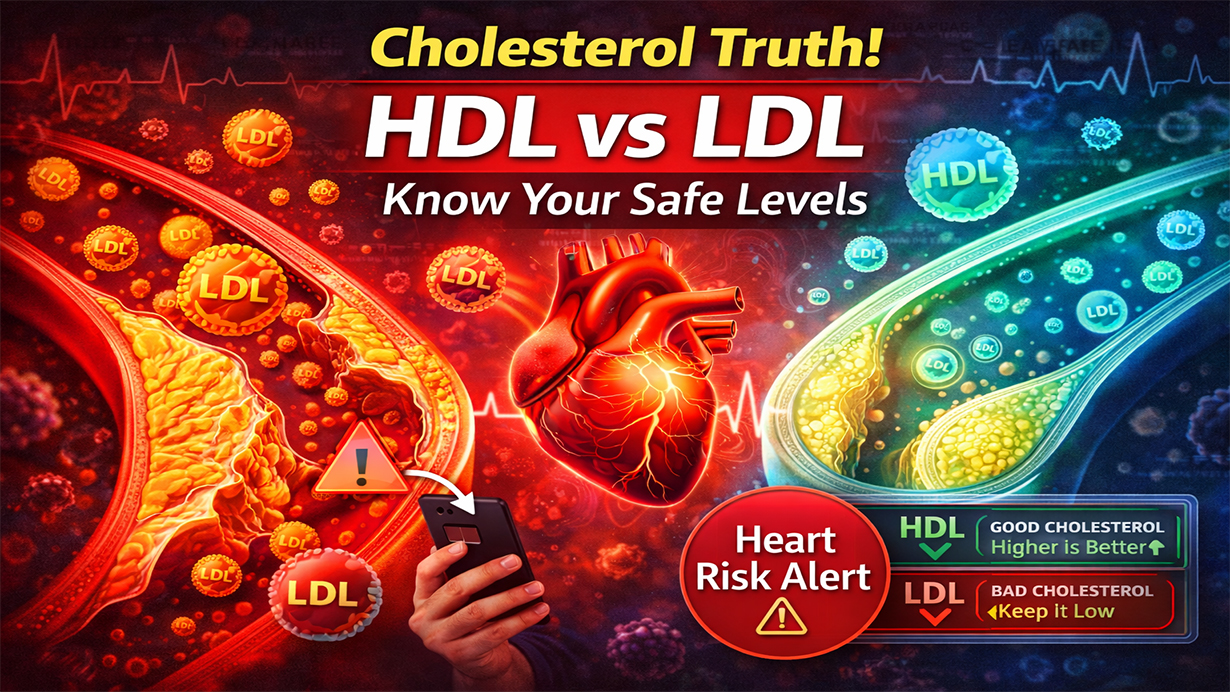
- Low-Density Lipoprotein (LDL) – commonly referred to as “bad cholesterol”
- High-Density Lipoprotein (HDL) – often called “good cholesterol”
The balance between these two types determines whether cholesterol supports health or increases the risk of heart disease.
Understanding LDL Cholesterol: Why It Is Called “Bad Cholesterol”
Low-Density Lipoprotein (LDL) carries cholesterol from the liver to different parts of the body. While some cholesterol is necessary for normal body functions, excessive LDL cholesterol can accumulate in artery walls.
Over time, this buildup forms plaque deposits, which narrow the arteries and restrict blood flow. This process is known as atherosclerosis, a condition that significantly increases the risk of heart attack and stroke.
High LDL cholesterol levels may lead to:
- Blocked arteries
- Reduced blood flow to the heart
- Increased risk of heart attack
- Higher chances of stroke
Understanding HDL Cholesterol: The Protective “Good Cholesterol”
Unlike LDL, High-Density Lipoprotein (HDL) works as a protective factor for the heart. HDL helps remove excess cholesterol from the bloodstream and transports it back to the liver, where it can be processed and eliminated from the body.
This process reduces the amount of cholesterol that may accumulate in artery walls.
Higher HDL levels are associated with:
- Reduced risk of heart disease
- Improved blood vessel function
- Better removal of harmful cholesterol
Safe HDL and LDL Cholesterol Ranges
Understanding cholesterol numbers can help individuals take better control of their heart health.
Ideal LDL Cholesterol Levels
- Optimal: Less than 100 mg/dL
- Near Optimal: 100–129 mg/dL
- Borderline High: 130–159 mg/dL
- High: 160–189 mg/dL
- Very High: 190 mg/dL or above
Lower LDL cholesterol levels are generally considered safer for cardiovascular health.
Ideal HDL Cholesterol Levels
- Men: 40 mg/dL or higher
- Women: 50 mg/dL or higher
- Protective Level: 60 mg/dL or higher
Higher HDL levels offer greater protection against heart disease.
Also read : Heatwave and Heart Health: How Extreme Heat Can Silently Raise Your Blood Pressure
Total Cholesterol and Its Importance
Total cholesterol refers to the combined level of LDL, HDL, and other lipid components present in the bloodstream.
Recommended Total Cholesterol Levels
- Desirable: Below 200 mg/dL
- Borderline High: 200–239 mg/dL
- High: 240 mg/dL or above
While total cholesterol is useful for initial screening, doctors often evaluate the LDL-to-HDL ratio to assess heart disease risk more accurately.
Factors That Influence Cholesterol Levels
Several lifestyle and genetic factors can affect cholesterol levels.
Diet
Consuming foods high in saturated fats, trans fats, and processed sugars can raise LDL cholesterol levels.
Physical Activity
Lack of regular exercise can reduce HDL levels and increase LDL levels.
Body Weight
Excess body weight is often associated with unhealthy cholesterol profiles.
Smoking
Smoking has a way of lowering HDL cholesterol and harming your blood vessels, which in turn raises your risk of heart problems.
Genetics
Family history can play a role in cholesterol metabolism and heart disease risk.
Symptoms of High Cholesterol
One of the biggest challenges with high cholesterol is that it usually does not produce noticeable symptoms in its early stages.
Many individuals discover abnormal cholesterol levels only after undergoing a blood test or experiencing a cardiovascular event.
However, long-term high cholesterol may lead to complications such as:
- Chest pain (angina)
- Heart attack
- Stroke
- Peripheral artery disease
Regular cholesterol screening is therefore essential for early detection.
Lifestyle Strategies to Maintain Healthy Cholesterol Levels
Maintaining balanced HDL and LDL levels requires consistent lifestyle habits.
Follow a Heart-Healthy Diet
Include foods such as:
- Fruits and vegetables
- Whole grains
- Nuts and seeds
- Lean protein sources
- Healthy fats like olive oil
Reduce intake of processed foods, fried items, and sugary beverages.
Exercise Regularly
Regular exercise is beneficial because it raises HDL cholesterol and helps to lower LDL levels. Activities like brisk walking, cycling, and swimming are beneficial for heart health.
Maintain a Healthy Weight
Weight management plays an important role in maintaining healthy cholesterol levels and reducing cardiovascular risk.
Quit Smoking
Smoking negatively affects HDL levels and damages blood vessels.
Limit Alcohol Intake
Excessive alcohol consumption can contribute to unhealthy cholesterol levels and other cardiovascular issues.
Importance of Regular Cholesterol Screening
Routine cholesterol testing is essential for identifying potential cardiovascular risks early.
Doctors typically recommend cholesterol screening:
- Every 4–6 years for healthy adults
- More frequently for individuals with risk factors such as diabetes, obesity, or family history of heart disease
Early detection allows doctors to recommend lifestyle changes or medications when necessary.
At Kailash Hospital, cardiology specialists provide comprehensive heart health assessments, including cholesterol testing and preventive care programs.
Medical Treatment for High Cholesterol
When lifestyle changes alone are not sufficient to control cholesterol levels, doctors may recommend medications such as:
- Statins
- Cholesterol absorption inhibitors
- PCSK9 inhibitors
- Bile acid sequestrants
These treatments help reduce LDL cholesterol and lower the risk of cardiovascular complications.
However, medication decisions depend on individual health conditions and should always be guided by a qualified cardiologist.
Why Maintaining Cholesterol Balance Is Essential for Heart Health
Maintaining healthy cholesterol levels is one of the most important steps toward preventing heart disease. When LDL levels remain elevated for long periods, plaque formation in arteries becomes more likely, increasing the chances of heart attack or stroke.
Conversely, maintaining adequate HDL levels helps remove excess cholesterol from the bloodstream, supporting healthier arteries and improved cardiovascular function.
With proper awareness, lifestyle adjustments, and regular medical guidance, individuals can effectively manage cholesterol levels and protect their heart health.
Conclusion
Cholesterol plays a vital role in the body, but maintaining the correct balance between HDL and LDL cholesterol is essential for long-term cardiovascular health. Understanding cholesterol numbers, adopting heart-healthy habits, and undergoing regular screenings can significantly reduce the risk of heart disease.
Guidance from experienced cardiologists such as Dr. D.S. Mathur, Consultant Cardiologist at Kailash Hospital, can help patients better understand their cholesterol levels and develop personalized strategies to maintain optimal heart health.
By staying informed and proactive, individuals can take meaningful steps toward protecting their heart and overall well-being.