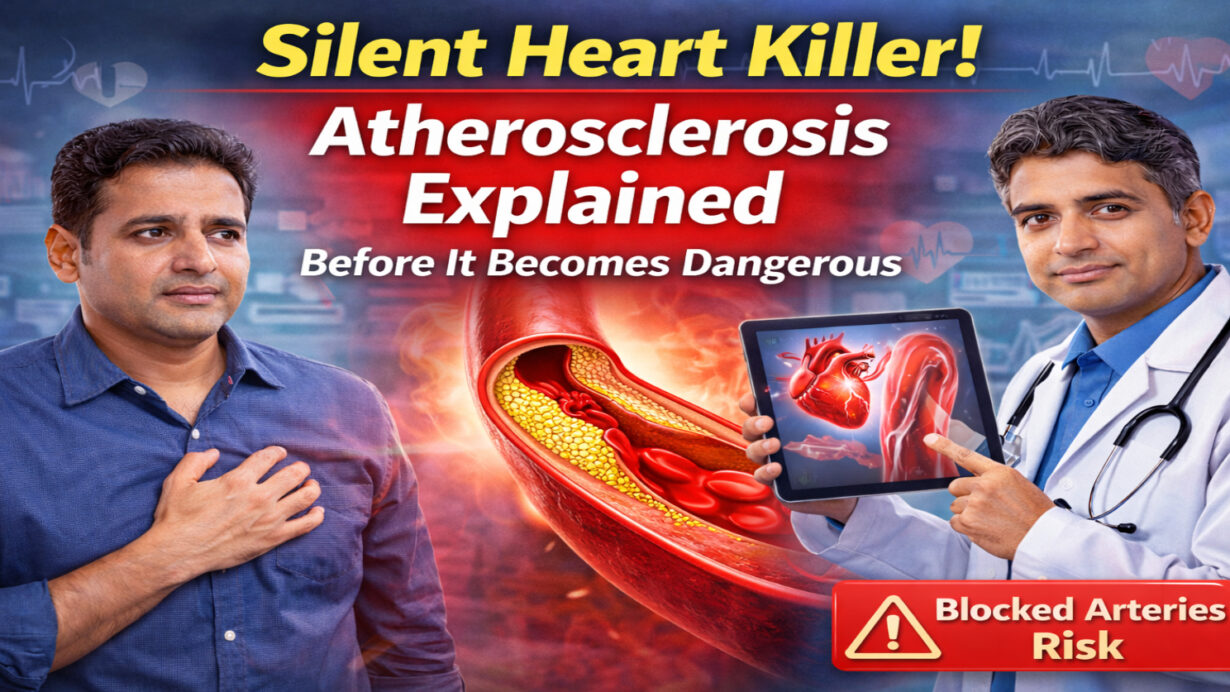
Heart disease remains one of the leading causes of death worldwide, yet many cardiovascular conditions develop silently over time. One such condition is atherosclerosis, a gradual buildup of fatty deposits inside the arteries. Because it develops slowly and often without obvious symptoms, many people remain unaware of the condition until it leads to serious complications such as heart attack or stroke.
Understanding the causes, symptoms, and prevention strategies of atherosclerosis can help individuals take proactive steps to protect their cardiovascular health.
What is Atherosclerosis?
Atherosclerosis is a condition in which plaque made of cholesterol, fats, calcium, and other substances accumulates on the inner walls of arteries. Over time, this buildup causes the arteries to narrow and harden, restricting blood flow to vital organs such as the heart and brain.
When blood flow becomes severely limited, it can lead to life-threatening conditions including:
- Heart attack
- Stroke
- Peripheral artery disease
- Chronic cardiovascular complications
Because this process develops slowly over years, early prevention plays a crucial role in maintaining heart health.
Causes of Atherosclerosis
Several lifestyle and health factors contribute to the development of plaque buildup in arteries.
High Cholesterol Levels
Elevated levels of LDL (bad cholesterol) can accumulate in artery walls and initiate plaque formation.
High Blood Pressure
Hypertension damages artery walls, making them more susceptible to plaque accumulation.
Smoking
Tobacco use damages blood vessels and accelerates the development of arterial blockage.
Diabetes
High blood sugar levels can damage blood vessels and increase the risk of plaque buildup.
Unhealthy Diet
Diets high in saturated fats, processed foods, and excessive sugar can contribute to cardiovascular disease.
Lack of Physical Activity
Sedentary lifestyles reduce heart efficiency and increase the likelihood of cholesterol buildup.
Early Symptoms of Atherosclerosis
In many cases, atherosclerosis develops silently and symptoms may not appear until the arteries become significantly narrowed.
However, depending on the affected arteries, symptoms may include:
If Heart Arteries Are Affected
- Chest pain (angina)
- Shortness of breath
- Fatigue during physical activity
If Brain Arteries Are Affected
- Sudden weakness or numbness
- Difficulty speaking
- Temporary vision loss
If Peripheral Arteries Are Affected
- Pain in the legs while walking
- Coldness in lower limbs
- Slow-healing wounds on feet
Recognizing these warning signs early can help prevent severe cardiovascular complications.
Early Warning Signs of a Heart Attack You Should Never Ignore
Risk Factors That Increase the Chances of Atherosclerosis
Certain factors significantly raise the likelihood of developing this condition:
- Age above 40
- Family history of heart disease
- Obesity or overweight
- Smoking habits
- High cholesterol levels
- High blood pressure
- Diabetes
Individuals with multiple risk factors should regularly monitor their heart health and maintain a healthy lifestyle.
How Atherosclerosis is Diagnosed
Doctors may recommend several tests to detect plaque buildup in arteries.
Common diagnostic tests include:
- Blood tests to measure cholesterol levels
- Electrocardiogram (ECG) to monitor heart activity
- Stress test to assess heart performance during exercise
- CT angiography to visualize artery blockages
- Ultrasound scans to evaluate blood flow
Early diagnosis helps prevent serious cardiovascular events.
Treatment Options for Atherosclerosis
Treatment focuses on reducing plaque buildup, improving blood flow, and preventing complications.
Lifestyle Modifications
The first step in managing atherosclerosis involves improving lifestyle habits:
- Eating a heart-healthy diet
- Maintaining a healthy weight
- Exercising regularly
- Quitting smoking
- Managing stress levels
Medications
Doctors may prescribe medications to control risk factors, including:
- Cholesterol-lowering drugs (statins)
- Blood pressure medications
- Blood thinners
- Diabetes management medications
Medical Procedures
In severe cases where arteries are significantly blocked, medical procedures may be recommended:
- Angioplasty and stent placement to open blocked arteries
- Coronary artery bypass surgery to improve blood circulation
Tips to Prevent Atherosclerosis
Maintain a Healthy Diet
Add fruits, vegetables, whole grains, lean protein sources, and healthy fats to your daily diet.
Stay Physically Active
Regular exercise helps improve circulation and lower cholesterol levels.
Monitor Blood Pressure and Cholesterol
Routine health checkups help detect cardiovascular risks early.
Manage Stress
Long-term stress can harm heart health and blood pressure.
Avoid Smoking
Quitting tobacco significantly reduces the risk of artery damage.
Conclusion
Atherosclerosis is a silent but potentially dangerous condition that can gradually damage the cardiovascular system. Since symptoms often appear late, prevention and early detection are essential for protecting heart health.
Maintaining a healthy lifestyle, monitoring cholesterol and blood pressure levels, and seeking timely medical advice can significantly reduce the risk of serious heart complications. If you notice persistent chest discomfort, fatigue, or other unusual symptoms related to heart health, consulting experienced cardiology specialists at Kailash Hospital, Noida can help ensure a timely diagnosis and appropriate treatment.