
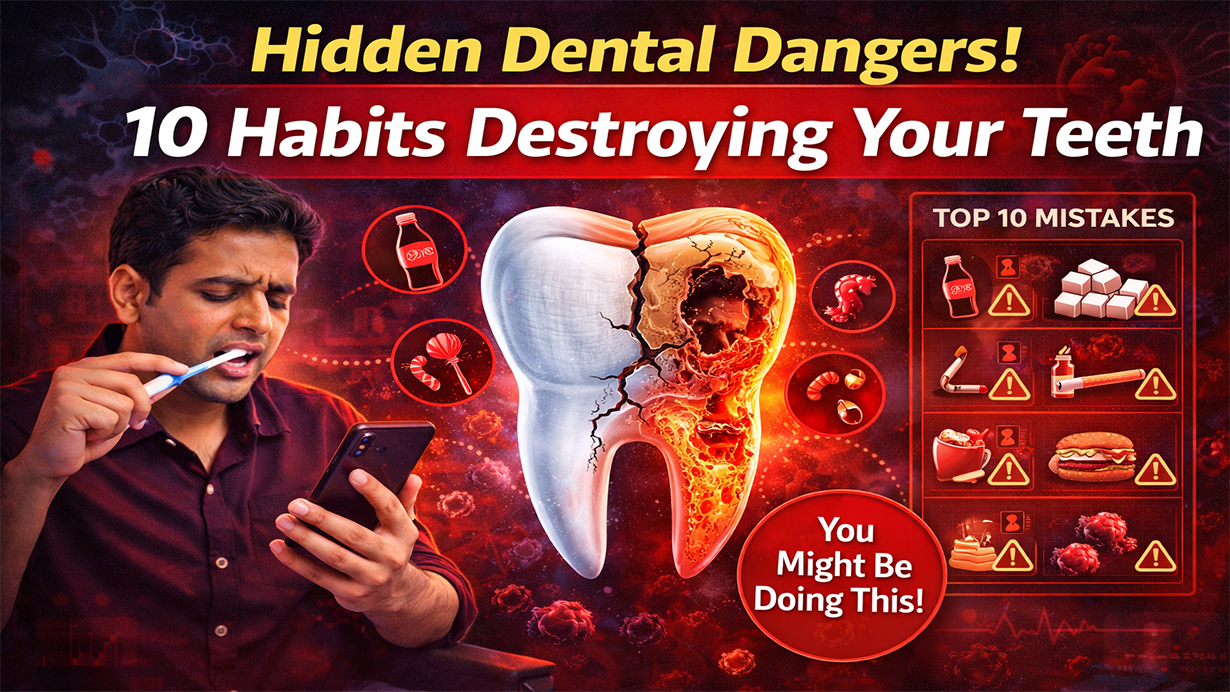
Many people believe that brushing twice a day and visiting a dentist occasionally is enough to maintain healthy teeth. While these habits are important, several everyday behaviors can slowly damage teeth without people even realizing it. Over time, these small habits may lead to tooth sensitivity, enamel erosion, cavities, gum disease, and other oral health problems.
Modern lifestyles often involve dietary choices and routines that can negatively affect dental health. From frequent snacking to improper brushing techniques, these habits can gradually weaken the structure of teeth and gums.
According to Dr. Neena Pandey, Sr. Consultant Dental Surgeon, Kailash Hospital, many dental issues arise not from neglect but from common daily habits that patients rarely consider harmful.
“Patients are often surprised to learn that certain everyday activities, such as frequent snacking or aggressive brushing, can damage their teeth over time,” explains Dr. Neena Pandey.
Dental specialists at Kailash Hospital emphasize the importance of recognizing these hidden habits and adopting healthier routines to protect long-term oral health.
Why Everyday Habits Affect Your Teeth
Teeth are coated with enamel, the hardest material found in the human body. Despite its strength, enamel can gradually wear down due to repeated exposure to acids, physical pressure, and poor oral hygiene.
When enamel weakens, teeth become more vulnerable to:
- Tooth decay
- Sensitivity
- Gum infections
- Cracks and fractures
“Protecting tooth enamel is essential because once it is lost, the body cannot naturally regenerate it,” says Dr. Neena Pandey, Sr. Consultant Dental Surgeon, Kailash Hospital.
Understanding which habits harm teeth is the first step toward maintaining a healthy smile.
1. Frequent Snacking Throughout the Day
Many people snack multiple times during the day without realizing its impact on dental health. Every time food is consumed, bacteria in the mouth produce acids that attack tooth enamel.
Frequent snacking means teeth are exposed to acid repeatedly, increasing the risk of cavities.
Sugary and starchy snacks are particularly harmful because they feed oral bacteria that produce acids.
“Reducing frequent snacking and maintaining regular meal times can significantly lower the risk of tooth decay,” advises Dr. Neena Pandey.
2. Brushing Your Teeth Too Hard
While brushing is essential for oral hygiene, brushing too aggressively can damage teeth and gums.
Hard brushing may lead to:
- Enamel wear
- Gum recession
- Tooth sensitivity
Dentists recommend using a soft-bristled toothbrush and gentle circular motions rather than forceful scrubbing.
3. Using Teeth as Tools
Using teeth to open bottle caps, tear packaging, or hold objects may seem convenient, but it can seriously damage teeth.
Such habits can cause:
- Tooth fractures
- Chipped enamel
- Jaw strain
Teeth are designed for chewing food, not performing mechanical tasks.
4. Drinking Sugary Beverages Frequently
Soft drinks, sweetened coffee, energy drinks, and packaged juices contain high amounts of sugar and acid. These beverages can gradually weaken enamel and increase the risk of cavities.
Sipping these drinks slowly over long periods exposes teeth to acids for extended durations.
“Acidic beverages can erode tooth enamel and increase sensitivity if consumed frequently,” says Dr. Neena Pandey.
Dentists recommend limiting sugary drinks and rinsing the mouth with water afterward.
5. Skipping Flossing
Many people brush regularly but neglect flossing. However, toothbrushes cannot reach the tight spaces between teeth where food particles and plaque accumulate.
Over time, plaque buildup between teeth can lead to:
- Cavities
- Gum disease
- Bad breath
“Flossing once a day helps remove plaque from areas that brushing alone cannot reach,” explains Dr. Neena Pandey, Sr. Consultant Dental Surgeon, Kailash Hospital.
6. Grinding or Clenching Teeth
Teeth grinding, also known as bruxism, often occurs during sleep or periods of stress.
Continuous grinding can cause:
- Tooth wear
- Jaw pain
- Headaches
- Cracked teeth
Many individuals are unaware that they grind their teeth until dental damage becomes visible.
Dentists may recommend night guards to protect teeth from grinding.
7. Chewing Ice
Some people enjoy chewing ice cubes, but this habit can be harmful to teeth.
Ice is extremely hard and may cause:
- Cracked enamel
- Chipped teeth
- Damage to dental fillings
Even though ice is just frozen water, its hardness can create micro-fractures in tooth enamel.
8. Ignoring Tooth Sensitivity
Tooth sensitivity is often dismissed as a minor issue, but it may indicate underlying enamel damage or gum problems.
Sensitivity to hot, cold, or sweet foods can be a warning sign of:
- Enamel erosion
- Gum recession
- Tooth decay
Ignoring sensitivity may allow dental problems to worsen.
9. Skipping Regular Dental Checkups
Many people visit the dentist only when they experience pain or visible problems. However, regular dental checkups help detect issues before they become severe.
Routine dental visits allow dentists to identify early signs of cavities, gum disease, or enamel erosion.
“Preventive dental care helps identify problems early and prevents more complicated treatments later,” says Dr. Neena Pandey, Sr. Consultant Dental Surgeon, Kailash Hospital.
At Kailash Hospital, dental specialists emphasize preventive care to maintain long-term oral health.
10. Consuming Highly Acidic Foods Frequently
Foods such as citrus fruits, vinegar-based dressings, and pickled items contain acids that can weaken tooth enamel if consumed excessively. Although these foods are nutritious in moderation, regular contact with acids can cause enamel wear.
Dentists recommend rinsing the mouth with water after consuming acidic foods to neutralize acids.
Also Read : How Do You Stop Bleeding Gums? Expert Tips for Healthy Gums
Tips for Protecting Your Teeth
Maintaining healthy teeth requires consistent oral care habits and lifestyle awareness.
Some simple steps to protect dental health include:
- Brushing twice daily with fluoride toothpaste
- Flossing regularly
- Limiting sugary and acidic foods
- Drinking plenty of water
- Avoiding harmful habits like chewing ice
- Visiting the dentist for regular checkups
Importance of Preventive Dental Care
Preventive dentistry focuses on maintaining oral health before serious problems develop. Early detection of dental issues allows for simpler and more effective treatments.
At Kailash Hospital, dental specialists provide comprehensive dental care, including preventive screenings, professional cleanings, and advanced treatments for various dental conditions.
Conclusion
Recognizing these habits and making small lifestyle changes can go a long way in protecting teeth and maintaining a healthy smile. Consistent oral hygiene practices, balanced nutrition, and routine dental checkups are essential for long-term dental health.
With expert guidance from specialists like Dr. Neena Pandey, Sr. Consultant Dental Surgeon, Kailash Hospital, patients can receive personalized dental care and preventive treatments to ensure strong, healthy teeth for years to come.