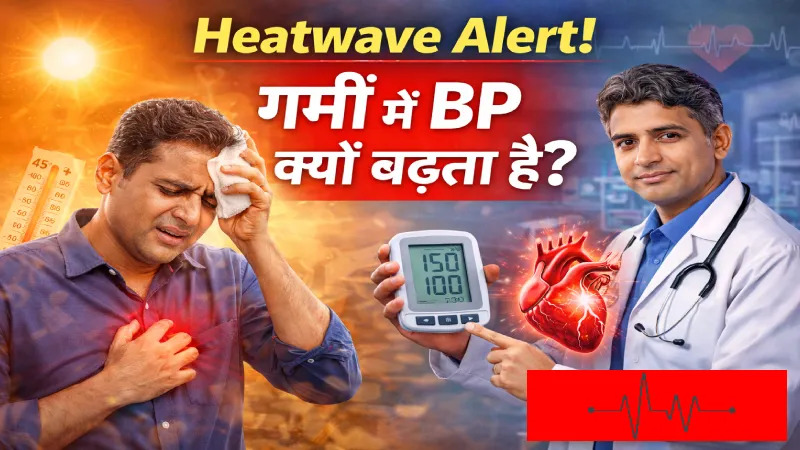
During summer and heatwave conditions, most people worry about dehydration, sunburn, or heat exhaustion. However, one serious health concern often goes unnoticed—the impact of high temperatures on blood pressure and heart health. Extreme heat can silently influence your cardiovascular system, increasing the risk of complications such as dizziness, dehydration, irregular heartbeat, and even cardiac events.
Understanding how hot weather affects the body can help you take the right precautions and protect your heart, especially if you already have blood pressure or heart-related issues.
How Hot Weather Affects Blood Pressure
When the temperature rises, the body works harder to maintain its normal internal temperature. Several physiological changes occur that directly influence blood pressure and cardiovascular health.
1. Dilation of Blood Vessels
High temperatures cause vasodilation, meaning blood vessels widen to release heat from the body. While this helps cool you down, it can also cause fluctuations in blood pressure levels.
2. Higher Workload on the Heart
Your heart pumps faster during extreme heat to circulate blood toward the skin for cooling. This extra workload can strain the cardiovascular system, particularly in individuals with pre-existing heart conditions.
3. Fluid Loss and Electrolyte Imbalance
Excessive sweating leads to fluid loss, which can cause dehydration. When the body loses fluids and essential minerals like sodium and potassium, blood pressure may drop suddenly or become unstable.
4. Hormonal Changes
Heat exposure can trigger hormonal responses that affect blood circulation and fluid balance, indirectly influencing blood pressure.
People at Higher Risk During Hot Weather
Although everyone can be affected by extreme heat, some individuals are more vulnerable to heat-related cardiovascular problems:
- People suffering from heart-related conditions
- Patients with heart disease
- Older adults and senior citizens
- People taking blood pressure medications or diuretics
- People living with diabetes
- People who work outdoors in hot environments
These groups should be particularly cautious during heatwaves.
Warning Signs That Heat Is Affecting Your Heart
Heat-related cardiovascular stress may show subtle symptoms at first. Identifying these early warning signs can help avoid severe health complications.
Common symptoms include:
- Sudden dizziness or lightheadedness
- Excessive sweating
- Rapid or irregular heartbeat
- Severe fatigue or weakness
- Headache
- Chest discomfort
- Nausea or confusion
If these symptoms occur during extreme heat, immediate cooling and hydration are important.
Heat-Related Conditions That Impact Heart Health
Heat Exhaustion
This happens when the body loses too much water and essential salts due to heavy sweating.
Heat Stroke
This is a medical emergency where body temperature rises above safe levels. It can cause organ damage and severe cardiovascular complications.
Dehydration-Induced Blood Pressure Fluctuations
Loss of fluids reduces blood volume, leading to sudden drops in blood pressure or irregular circulation.
Tips to Protect Your Heart During Hot Weather
Stay Hydrated
Drink water regularly throughout the day, even if you are not thirsty. Avoid excessive caffeine and alcohol as they can increase dehydration.
Avoid Peak Sun Hours
Limit outdoor activities between 11 AM and 4 PM, when temperatures are highest.
Wear Light Clothing
Loose, breathable clothes help your body regulate temperature more efficiently.
Monitor Your Blood Pressure
If you have hypertension, regularly monitor your blood pressure during summer months.
Maintain a Heart-Healthy Diet
Include fruits, vegetables, and electrolyte-rich foods such as coconut water, bananas, and citrus fruits.
Take Medications as Prescribed
Some medications may interact with heat. Always follow your doctor’s guidance regarding dosage and timing.
When to Seek Medical Attention
You should seek medical help immediately if you experience:
- Intense chest discomfort or pain
- Continuous dizziness or lightheadedness
- Shortness of breath or trouble breathing
- Sudden weakness or episodes of fainting
Prompt medical evaluation can prevent serious cardiovascular complications.
Also Read: The Hidden Cardiac Threat: How Hot Weather Secretly Manipulates Your Blood Pressure
Conclusion
Extreme heat does more than just cause discomfort—it can place significant stress on the cardiovascular system. Understanding how high temperatures influence blood pressure and heart health can help you take preventive steps and stay safe during the summer months.
If you experience unusual symptoms related to heart health during hot weather, a timely medical consultation is essential. Those looking for expert cardiac evaluation and treatment can consult cardiologist specialists at Kailash Hospital, Noida, where advanced cardiac care and preventive health services are available.