

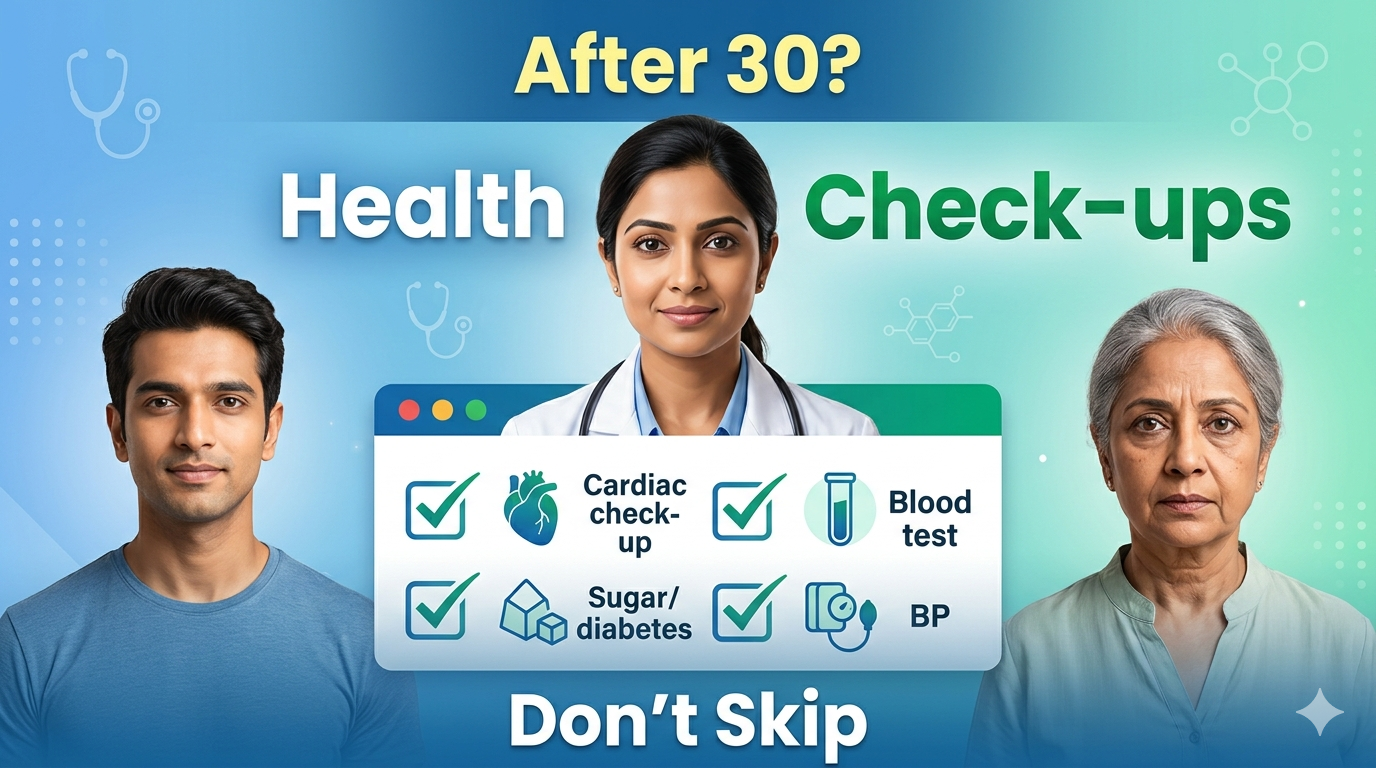
Introduction: Investing in Your Health, Decade by Decade
In the vibrant tapestry of Indian life, we often prioritize family, career, and daily responsibilities, sometimes letting our own health take a back seat. However, as medical science advances and lifestyle diseases become more prevalent, adopting a proactive approach to health is no longer a luxury but a necessity. The journey of health is not a sprint, but a marathon, requiring consistent attention and tailored strategies as we age.
“Understanding your body’s evolving needs across different life stages is paramount,” advises Dr. Rajat Kant Jain, Sr. Consultant – Internal Medicine at Kailash Deepak Hospital. “Many chronic conditions, if caught early, are manageable, and often preventable. Regular check-ups are your best defence.” This article will serve as your comprehensive guide, outlining essential health check-ups, lifestyle habits, and preventive measures crucial for Indians in their 30s, 40s, 50s, and beyond. We’ll leverage expert insights to help you build a solid foundation for long-term health, ensuring that your golden years are truly golden.
The Thriving Thirties: Building a Strong Foundation
The 30s are a dynamic decade – careers are taking off, families might be expanding, and life often feels like a constant juggle. While you might still feel invincible, this is a critical period to establish healthy habits and baseline health parameters.
Essential Check-ups:
- General Health Check-up: A yearly visit to your general physician is non-negotiable. This includes blood pressure, blood sugar (fasting and post-meal), cholesterol profile (lipid panel), and a complete blood count (CBC). Early detection of pre-diabetes or pre-hypertension can prevent full-blown conditions.
- Women’s Health:
- Pap Smear: For women, regular Pap tests (every 3 years after age 21, or as per doctor’s advice) are vital for detecting cervical cancer early.
- HPV Vaccination: “The Human Papillomavirus (HPV) vaccine is a powerful tool against cervical cancer,” explains Dr. Renu Chawla, Senior Consultant – Obstetrics & Gynaecology at Kailash Deepak Hospital. “Even if you missed it in your teenage years, discuss it with your doctor. Drives like the one in Madhya Pradesh, where over 2 lakh adolescent girls were vaccinated, highlight its importance.”
- Breast Self-Exams & Clinical Breast Exams: Start regular self-exams and discuss clinical breast exams with your doctor.
- Men’s Health: While specific screenings like PSA are typically later, establishing a baseline for general health markers and discussing any testicular lumps with a physician is important.
Practical Tips:
- Nutrition: Focus on a balanced diet rich in fruits, vegetables, whole grains, and lean proteins. Limit processed foods, excessive sugar, and unhealthy fats.
- Physical Activity: Aim for at least 150 minutes of moderate-intensity exercise or 75 minutes of vigorous exercise per week.
- Stress Management: Incorporate mindfulness, meditation, yoga, or hobbies to combat stress, which can significantly impact cardiovascular health and immunity.
- Sleep: Prioritize 7-9 hours of quality sleep nightly.
- Quit Smoking & Limit Alcohol: These habits are detrimental to long-term health.
The Fabulous Forties: Proactive Prevention Takes Centre Stage
As you enter your 40s, your body begins to show the cumulative effects of your lifestyle. Metabolism might slow, and the risk of chronic diseases rises. This decade is all about aggressive preventive measures and keeping a closer eye on your numbers.
Essential Check-ups:
- Expanded General Check-up: Continue with annual general check-ups, but now with a sharper focus on:
- Cardiovascular Screening: Beyond basic blood pressure, consider an ECG, and discuss a cardiac stress test if you have risk factors. “High blood pressure often has no symptoms but can silently damage your organs,” warns Dr. Amitabh Poonia, Consultant – Cardiology at Kailash Deepak Hospital. “It’s crucial to monitor it regularly and adopt lifestyle changes or medication if advised. Foods rich in potassium, like bananas and leafy greens, can assist, but never replace medical advice.”
- Diabetes Screening: More frequent blood sugar checks, possibly an HbA1c test, especially if there’s a family history.
- Cancer Screenings:
- Mammograms (for women): Typically recommended every one to two years starting at age 40 or 45, depending on risk factors and doctor’s advice.
- Colon Cancer Screening: Begin discussing colonoscopy or other screening methods with your doctor, especially if there’s a family history of colon polyps or cancer.
- Skin Checks: Regular self-skin exams and professional checks for suspicious moles.
- Eye & Dental Health: Annual eye exams for glaucoma and cataracts, and biannual dental check-ups.
Practical Tips:
- Weight Management: Monitor your weight as metabolism slows down. A healthy BMI significantly reduces the risk of heart disease, diabetes, and certain cancers.
- Bone Health: Incorporate calcium and Vitamin D-rich foods. Discuss supplements with your doctor if needed.
- Refine Your Diet: “While general advice is good, tailoring your diet to your specific health profile becomes even more critical in your 40s. “For instance, someone with high blood pressure might need to focus more on a low-sodium, high-potassium diet.”
- Mental Well-being: The 40s can bring unique stressors. Prioritize mental health through hobbies, social connections, and professional help if needed.
Also Read : Are Everyday Habits Silently Damaging Your Liver?
The Savvy Fifties: Sustaining Health for Golden Years
Reaching your 50s is a testament to your journey, and now the focus shifts to sustaining health, preventing age-related decline, and managing any emerging chronic conditions effectively.
Essential Check-ups:
- Comprehensive Health Assessments: Continue annual general check-ups.
- Cancer Screenings Intensified:
- Colonoscopy: If not started in the 40s, a colonoscopy every 10 years (or more frequently based on risk) is typically recommended.
- Prostate Cancer Screening (for men): Discuss PSA (Prostate-Specific Antigen) testing with your doctor. “While PSA testing is a tool, the decision for screening should be individualized, weighing the benefits against potential risks.
- Lung Cancer Screening: If you have a significant smoking history, discuss low-dose CT scans.
- “Early diagnosis is a game-changer for many cancers. “Don’t ignore persistent symptoms; timely intervention can significantly improve outcomes, and facilities like those offering comprehensive cancer screening in Noida are increasingly accessible.”
- Bone Density Scan (DEXA scan): For women, typically starting around menopause, to screen for osteoporosis. Men should discuss this with their doctor based on risk factors.
- Hearing Test: Age-related hearing loss often begins in the 50s.
- Vaccinations: Ensure you are up-to-date on vaccinations like the flu shot, pneumonia vaccine, and shingles vaccine.
Practical Tips:
Beyond 50s: Embracing Longevity with Grace
- Stay Active & Flexible: Incorporate strength training to maintain muscle mass and balance exercises to prevent falls. Consider activities that promote flexibility.
- Cognitive Health: Engage in mentally stimulating activities like reading, puzzles, learning new skills, and staying socially connected.
- Medication Review: Regularly review all medications and supplements with your doctor to avoid interactions and ensure they are still necessary.
- Healthy Weight & Diet: Continue focusing on nutrient-dense foods, limiting unhealthy fats and sugars. Manage any chronic conditions (diabetes, hypertension) diligently through diet, exercise, and prescribed medication.
As you move beyond 50, the principles remain the same, but the frequency and intensity of monitoring may increase based on your individual health profile. Regular follow-ups with specialists (cardiologists, endocrinologists, orthopaedics, etc.) become more common.
While age brings new challenges, it also brings wisdom and experience. “The aim isn’t merely to extend our lifespan; it’s about living with more health and vitality. Regular engagement with your healthcare provider, adherence to advice, and a positive mindset are your strongest allies.”
Continue to prioritize:
- Social Connection: Combat loneliness, which has significant health impacts.
- Purpose & Engagement: Stay involved in activities that bring you joy and a sense of purpose.
- Advanced Care Planning: Discuss your healthcare wishes with your family and physician.
Conclusion: Your Proactive Health Journey
Adopting a proactive approach to health, through regular check-ups, healthy habits, and informed decision-making, is the greatest gift you can give yourself and your loved ones. From embracing habits that reduce cancer risk (as highlighted in news reports) to understanding essential age-specific screenings, every step counts.





























Leave a Reply