
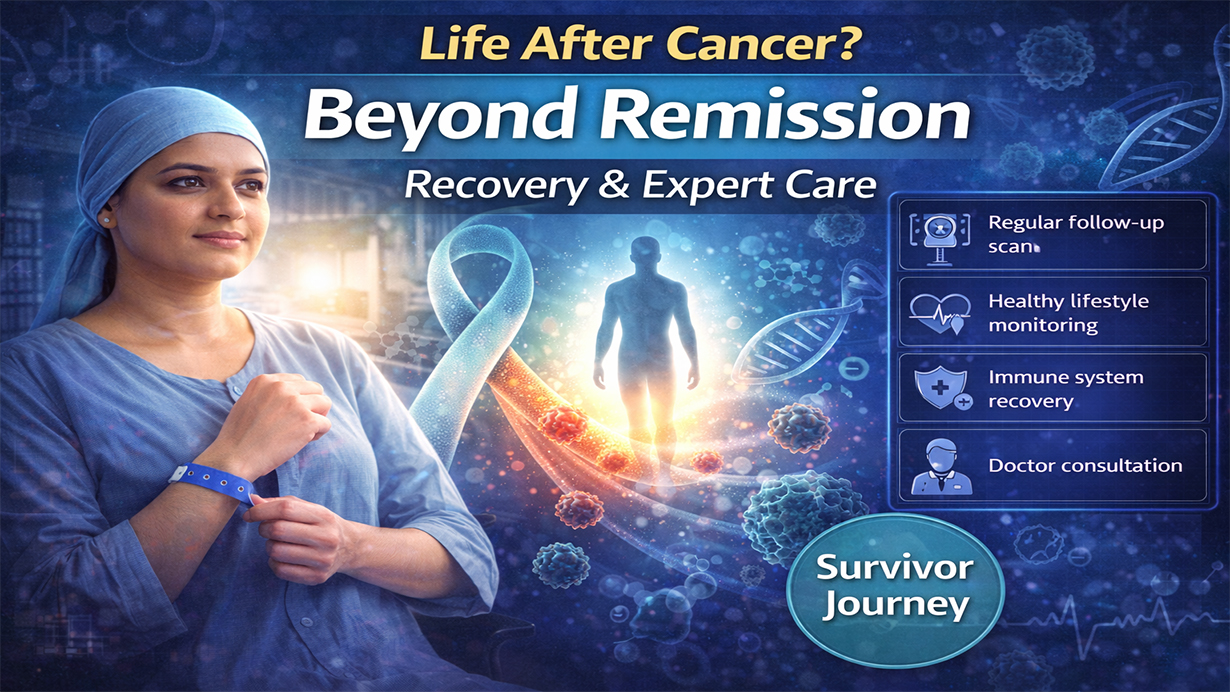
The sound of the bell ringing marks a moment of pure triumph—the culmination of months of surgery, chemotherapy, or radiation. Yet for many patients, that celebratory echo gives way to an unexpected silence. Life after cancer treatment represents one of the most complex and emotionally charged phases of the entire oncology journey, yet it rarely receives the attention it deserves.
As someone who has guided countless patients through this transition, I’ve observed that the end of active treatment often brings mixed emotions: relief mingled with anxiety, hope shadowed by fear of recurrence. Understanding what lies ahead and having a structured follow-up care plan can make all the difference in navigating this new chapter.
The New Normal: What Recovery Really Looks Like
Recovery after cancer isn’t simply returning to who you were before diagnosis. It’s about discovering a “new normal”—one that acknowledges both the physical changes your body has undergone and the emotional transformation that accompanies surviving a life-altering illness.
Physical recovery varies tremendously depending on the type of treatment received. Fatigue often persists for months after chemotherapy ends. Surgical sites require time to heal fully. Radiation effects may continue evolving in the body. Post-treatment recovery isn’t linear, and patients must learn to listen to their bodies with new attentiveness.
Dr. Sourabh Mukharjee, Sr. Consultant Surgical Oncology, Kailash Deepak Hospital, explains: “Many patients assume that when treatment ends, their connection with their healthcare team ends too. In reality, this is when a different but equally important phase begins—one focused on surveillance, healing, and preventing future problems.”
The Critical Role of Surveillance Imaging
Perhaps the most anxiety-provoking aspect of life after cancer is the possibility of recurrence. This is where surveillance imaging plays an indispensable role. Regular monitoring through appropriate imaging studies provides the best chance of detecting any issues early, when intervention can be most effective.
At Kailash Deepak Hospital, patients benefit from advanced nuclear medicine and PET-CT capabilities that support early detection and careful monitoring. These technologies allow oncologists to track changes with remarkable precision, often identifying concerns long before symptoms develop.
The frequency and type of imaging recommended depend on multiple factors: the original cancer type, stage at diagnosis, treatments received, and individual risk factors. Some patients require scans every three to six months initially, while others may transition to annual monitoring. This personalized approach ensures appropriate surveillance without unnecessary exposure or anxiety.
Building Your Survivorship Care Plan
Every patient completing active treatment should work with their oncology team to develop a comprehensive survivorship care plan. This document serves as a roadmap for the years ahead, outlining:
- Recommended schedules for follow-up exams and testing
- Potential late effects of treatment to monitor
- Lifestyle recommendations for optimal health
- Coordination between oncology specialists and primary care providers
“Survivorship care plans bridge the gap between oncology-focused treatment and long-term wellness,” notes Dr. Sourabh Mukharjee. “They empower patients with knowledge about what to expect and when to seek help, reducing anxiety and improving outcomes.”
Managing Long-Term Side Effects
Cancer treatments, while life-saving, can produce effects that persist or emerge months or years after completion. These late effects may include heart problems related to certain chemotherapy agents, hormonal changes, cognitive changes sometimes called “chemo brain,” or chronic pain.
The multidisciplinary team at Kailash Deepak Hospital includes specialists who understand these complex interactions. From nutrition guidance to rehabilitation services, supportive care addresses the whole patient, not just their cancer history.
Also read : Beyond Family History: How Your Genes Influence Cancer Risk and When to Take Action
Emotional Health During the Survivorship Phase
The emotional journey after cancer treatment often surprises patients. Many expect unrelenting gratitude and happiness, yet experience waves of fear, sadness, or isolation. Support groups, counseling, and connecting with other survivors can provide an invaluable perspective during this adjustment period.
Regular follow-up appointments themselves can trigger anxiety—a phenomenon so common it has a name: “scanxiety.” Having coping strategies, bringing a trusted companion to appointments, and planning something comforting afterward can help manage these predictable stress points.
Lifestyle as Medicine
Emerging research confirms that healthy lifestyle choices significantly impact long-term outcomes for cancer survivors. Maintaining a healthy weight, staying physically active, following a nutritious eating pattern rich in fruits and vegetables, and avoiding tobacco all contribute to better health and may reduce recurrence risk.
At Kailash Deepak Hospital, patients receive guidance on nutrition, exercise, and overall wellness as integral components of post-treatment care. This holistic approach recognizes that surviving cancer presents an opportunity to rebuild health with new wisdom and intention.
When Treatment Never Really Ends
For some patients, cancer becomes a chronic condition requiring ongoing management rather than a single episode ending with remission. These individuals may continue maintenance therapies or periodic treatments to control the disease while maintaining quality of life.
Modern oncology increasingly recognizes this reality, offering treatments designed for long-term tolerability and meaningful life engagement. The goal shifts from cure at any cost to optimal disease control with maximum quality of life.
The Importance of Continued Follow-Up
Regular follow-up appointments serve multiple purposes: detecting recurrence early, managing treatment side effects, addressing new symptoms, and providing ongoing support. These visits also create opportunities to discuss sexual health, fertility concerns, financial impacts, and other quality-of-life issues that patients may hesitate to raise.
The experienced oncology team at Kailash Deepak Hospital maintains continuity of care throughout the survivorship journey, ensuring that patients never feel abandoned after active treatment concludes. With AI-integrated technology and patient-centered approaches, the hospital provides comprehensive cancer care in East Delhi that extends well beyond the initial treatment phase.
Moving Forward with Confidence
Life after cancer treatment presents challenges, certainly—but also opportunities for growth, renewed purpose, and deepened relationships. With appropriate medical follow-up, strong support systems, and attention to both physical and emotional health, survivors can thrive.
If you or a loved one is approaching the end of active cancer treatment, begin conversations with your oncology team now about what comes next. Ask about survivorship care plans, discuss follow-up schedules, and voice your concerns openly. The journey continues, but you don’t walk it alone.