

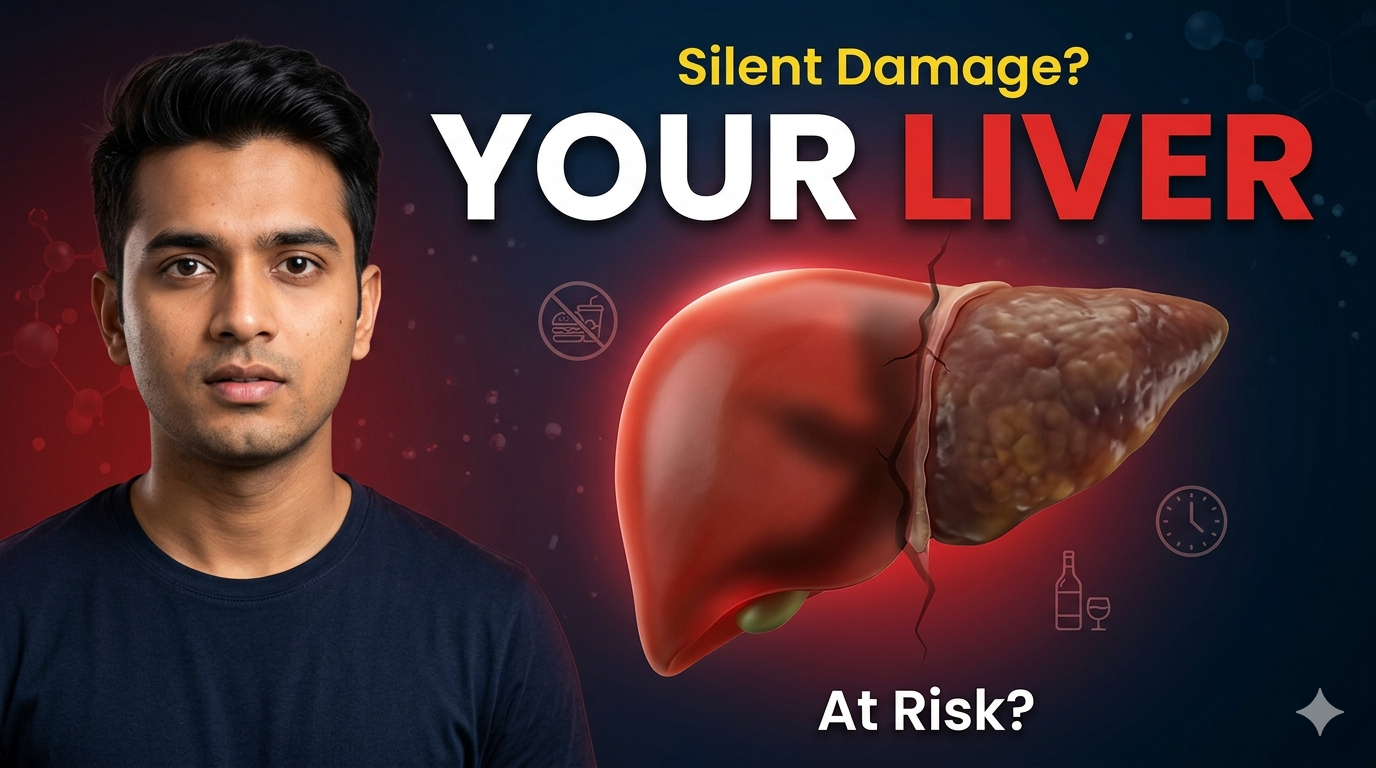
In the bustling pace of modern Indian life, convenience often trumps health. Long office hours, sedentary routines, stress-induced eating, and the easy accessibility of processed foods have quietly reshaped our daily lives. While we might feel the immediate effects of fatigue or indigestion, a more insidious threat is often building silently beneath the surface: chronic lifestyle diseases. Recent headlines, like the one highlighting how “fatty liver is built daily, not overnight,” serve as a stark reminder that our everyday choices are powerful architects of our future health. Simultaneously, experts are championing foundational habits not just for longevity, but for protecting against debilitating conditions like cancer.
This isn’t about grand, unattainable resolutions. It’s about recognizing the cumulative power of small, consistent actions and understanding how our seemingly innocuous office habits, dietary choices, and sleep patterns are dictating our well-being. From the alarming rise of Non-Alcoholic Fatty Liver Disease (NAFLD) across India to the preventable risks of various cancers, the common thread is clear: lifestyle. This article will unravel the silent damage occurring daily, informed by the latest insights and expert advice from leading medical professionals at institutions like Kailash Hospital, to equip you with five foundational habits that can truly transform your health journey. It’s time to move beyond awareness and into action, ensuring a vibrant, disease-free future for yourself and your loved ones.
The Silent Epidemic: Unmasking Fatty Liver Disease
Imagine an organ tirelessly working day in and day out, filtering toxins, aiding digestion, and storing energy, all without a single complaint. That’s your liver. But what happens when this vital organ starts accumulating excess fat? You get Non-Alcoholic Fatty Liver Disease (NAFLD), a condition that, as one news headline aptly puts it, “is built daily, not overnight.” It’s an alarmingly prevalent condition in India, often dubbed a ‘silent killer’ because it shows few to no symptoms in its early stages.
The sheer scale of NAFLD in India is concerning. Studies suggest that up to 32% of the general population and an even higher percentage among individuals with diabetes or obesity are affected. What fuels this silent epidemic? Our modern lifestyles are especially those dominated by office work. Prolonged sitting, late-night snacking, stress eating, reliance on sugary beverages, and a diet rich in processed foods, refined carbohydrates, and unhealthy fats all contribute to the liver’s increasing fat load. Left unchecked, NAFLD can progress to more serious conditions like Non-Alcoholic Steatohepatitis (NASH), which can lead to liver fibrosis, cirrhosis, and even liver cancer.
Dr. Virender Chauhan, a distinguished Gastroenterologist at Kailash Hospital, Noida, emphasizes the urgency of awareness. “We are seeing a significant rise in fatty liver cases, even among younger individuals. Many patients are diagnosed incidentally during routine check-ups for other conditions. The danger lies in its progression,” he states. “Initially, it’s just fat. But with ongoing poor lifestyle choices, this inflammation can severely damage liver cells, potentially leading to irreversible scarring and liver failure. Early detection and, more importantly, lifestyle modification are absolutely crucial to prevent its devastating consequences.”
Beyond the Liver: How Everyday Choices Impact Overall Health
The health of your liver isn’t an isolated concern; it’s a barometer for your overall metabolic health. The habits that contribute to fatty liver disease – a sedentary lifestyle, poor diet, chronic stress – are the same culprits driving other major public health crises in India: type 2 diabetes, cardiovascular diseases, and various forms of cancer. This interconnectedness means that addressing one aspect of your lifestyle often yields benefits across the board.
For instance, the same dietary patterns that lead to fatty liver, rich in refined sugars and unhealthy fats, also contribute to insulin resistance, a precursor to type 2 diabetes, and high cholesterol, a risk factor for heart disease. The lack of physical activity not only impacts metabolic health but also weakens our immune system and contributes to chronic inflammation, a known driver of cancer development.
The link between lifestyle and cancer risk is particularly stark. Research indicates that a significant percentage of cancers are preventable through lifestyle modifications. Dr. Sourabh Mukharjee, a leading Oncologist at Kailash Hospital, stresses this point. “While genetics play a role, we cannot overlook the profound impact of our daily habits on cancer prevention,” he advises. “Poor diet, lack of exercise, obesity, and excessive alcohol consumption are not just risk factors for heart disease or diabetes; they are directly implicated in increasing the risk of over a dozen types of cancer, including breast, colon, prostate, and liver cancers. Adopting a preventative mindset with healthy habits is one of the most powerful shields against this formidable disease.”
The message is clear: the path to a healthy liver, a healthy heart, and a reduced cancer risk converges at the crossroads of lifestyle.
Also Read : Beyond Bones: Why Indian Women Need to Prioritize Calcium Much Earlier
The 5 Foundational Habits for a Healthier You
Building long-term health isn’t about extreme measures; it’s about integrating powerful, sustainable habits into your daily routine. These five foundational pillars, championed by longevity experts and backed by medical science, offer a holistic approach to safeguard your liver, prevent chronic diseases, and enhance your overall vitality.
1. Prioritize Quality Sleep: The Body’s Daily Reset Button
In our 24/7 world, sleep is often seen as a luxury, not a necessity. Yet, it’s during sleep that your body performs crucial repair, recovery, and metabolic regulation. Chronic sleep deprivation (less than 7-8 hours per night) disrupts hormones that regulate appetite (ghrelin and leptin), increases insulin resistance, and elevates stress hormones, all of which can contribute to weight gain and fatty liver disease.
Practical Tips:
- Stick to a Schedule: If you can, try to go to bed and wake up around the same time each day. It really helps to keep your body in a good rhythm, even on weekends.
- Create a Wind-Down Routine: An hour before bed, dim lights, avoid screens, and engage in relaxing activities like reading, meditation, or a warm bath.
- Optimize Your Sleep Environment: Ensure your bedroom is dark, quiet, and cool.
- Limit Stimulants: Avoid caffeine and heavy meals close to bedtime.
2. Fuel Your Body Wisely: Dietary Discipline, Not Deprivation
What you eat is arguably the most critical factor influencing your liver health and overall well-being. It’s not just about cutting out foods, but about embracing nutrient-dense options. A typical Indian diet, while rich in flavor, often includes excessive refined carbohydrates (white rice, maida), unhealthy fats (vanaspati, excessive fried foods), and sugary beverages, which are direct contributors to fatty liver and metabolic syndrome.
Practical Tips:
- Embrace Whole Foods: Prioritize fruits, vegetables, whole grains (brown rice, whole wheat, millets like ragi, jowar), lean proteins (dal, paneer, chicken, fish), and healthy fats (nuts, seeds, avocado, olive oil).
- Portion Control: Be mindful of serving sizes, especially with carbs and fats.
- Hydrate Adequately: Drink plenty of water throughout the day.
- Limit Processed Foods & Sugary Drinks: These are high in empty calories, unhealthy fats, and added sugars that directly harm your liver and metabolic health. Reduce your intake of packaged snacks, sugary sodas, and fruit juices.
- Mindful Eating: Eat slowly, pay attention to your body’s hunger and fullness cues.
3. Embrace Movement: Regular Physical Activity for a Dynamic Life
A sedentary lifestyle is a cornerstone of modern chronic diseases. Our office-bound lives often mean hours spent sitting, drastically reducing our daily energy expenditure. Regular physical activity not only helps manage weight but also improves insulin sensitivity, reduces liver fat, boosts metabolism, and enhances mental well-being.
Practical Tips:
- Aim for Consistency: Target at least 150 minutes of moderate-intensity aerobic exercise or 75 minutes of vigorous-intensity exercise per week (e.g., brisk walking, jogging, cycling, swimming).
- Break Up Sitting: Set alarms to stand up and move for 5-10 minutes every hour. Take the stairs, walk during phone calls, or do simple stretches.
- Find What You Enjoy: Whether it’s yoga, dancing, team sports, or gardening, make physical activity fun and sustainable.
- Incorporate NEAT (Non-Exercise Activity Thermogenesis): Fidget more, park further away, walk to nearby shops.
4. Master Stress & Nervous System Regulation: Calm Your Inner Storm
Chronic stress isn’t just a mental burden; it has profound physical consequences. It activates the ‘fight or flight’ response, leading to increased cortisol levels, which can contribute to abdominal fat accumulation, insulin resistance, and inflammation—all factors in fatty liver disease and other chronic conditions. Learning to manage stress is crucial for holistic health.
Practical Tips:
- Practice Mindfulness & Meditation: Even 5-10 minutes daily can significantly reduce stress levels. Apps like Headspace or Calm can be helpful.
- Deep Breathing Exercises: Simple techniques can calm your nervous system instantly.
- Engage in Hobbies: Dedicate time to activities you enjoy that help you relax and de-stress.
- Social Connection: Spend quality time with friends and family.
- Set Boundaries: Learn to say no and protect your personal time from work demands.
5. Build & Maintain Muscle Mass: Your Metabolic Powerhouse
Muscle isn’t just for strength; it’s a metabolically active tissue that burns more calories even at rest compared to fat. Maintaining and building muscle mass through strength training is vital for managing blood sugar levels, preventing fat accumulation, boosting metabolism, and improving overall longevity. As we age, we naturally lose muscle mass, making resistance training even more critical.
Practical Tips:
- Incorporate Strength Training: Aim for 2-3 sessions per week targeting major muscle groups. This can be bodyweight exercises (push-ups, squats, lunges), resistance bands, or weights.
- Seek Guidance: If new to strength training, consider consulting a fitness professional to learn proper form.
- Progressive Overload: Gradually increase the intensity or duration of your workouts to keep challenging your muscles.
Dr. Narendra Gupta, a seasoned General Physician at Kailash Hospital, Ghaziabad, beautifully summarizes the synergistic effect of these habits. “Individually, each of these habits offers immense benefits. But when combined, their impact on overall health is transformative. It’s about creating a lifestyle where your body can thrive. From preventing fatty liver to reducing cancer risks and improving mental clarity, these foundational habits are the bedrock of true well-being. I always tell my patients, consistency is key – small, achievable changes sustained over time lead to remarkable health outcomes.”
Taking Action: Your Roadmap to a Healthier Life
The journey to better health doesn’t require a complete overhaul overnight. It begins with a single step, a conscious choice to prioritize your well-being. Start by identifying one or two habits from the list above that you can realistically incorporate into your routine this week. Perhaps it’s committing to a 15-minute walk during your lunch break, or replacing one sugary drink a day with water.
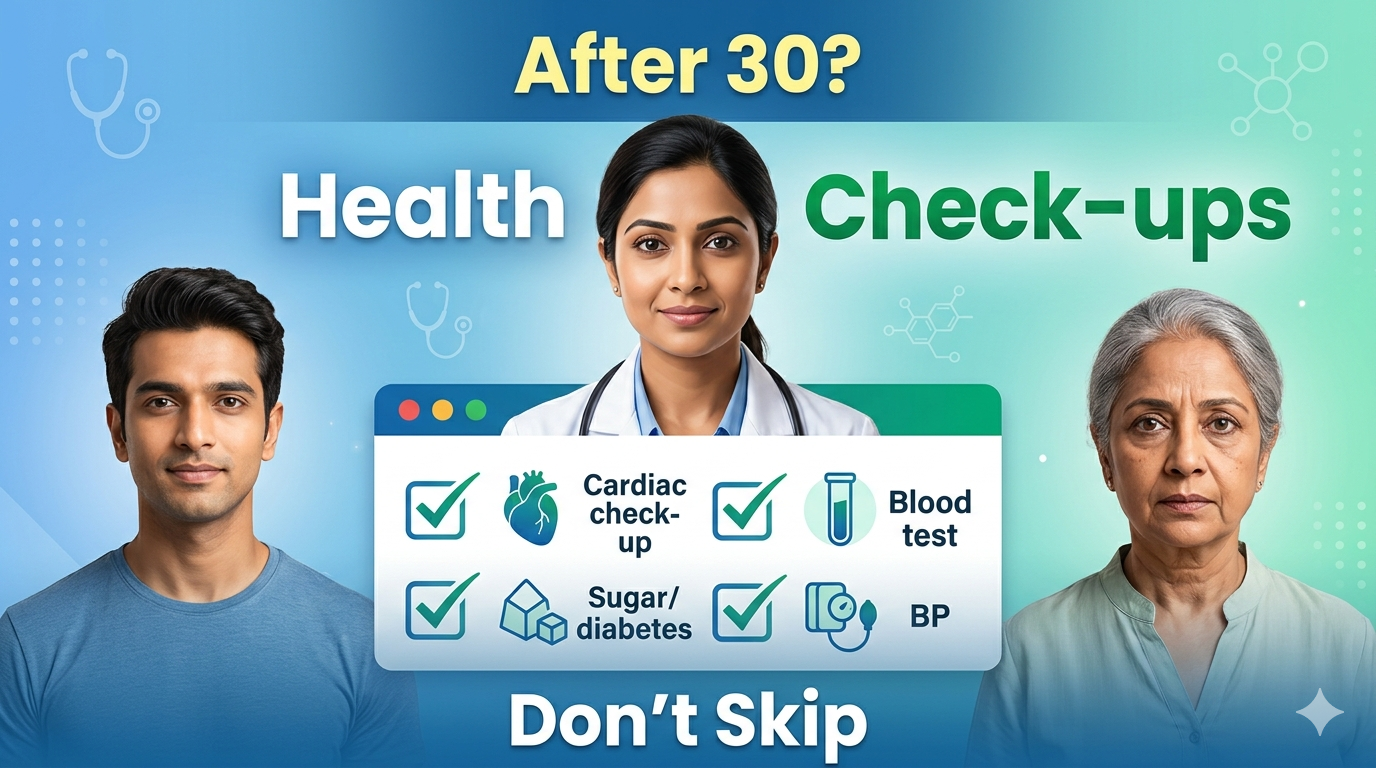
Remember, consistency is far more powerful than intensity. Small, sustainable changes add up to significant improvements over time. Don’t be discouraged by setbacks; simply get back on track the next day. Furthermore, regular health check-ups are non-negotiable. They provide crucial insights into your internal health, allowing for early detection and intervention. If you’re concerned about your liver health or wish to discuss a comprehensive lifestyle plan, consult with a specialist. Seeking guidance from a leading Gastroenterologist in Noida or a General Physician in Greater Noida can provide you with personalized advice tailored to your specific health needs and risk factors.
Your body is your most valuable asset. Invest in it daily, not just when a crisis strikes. By adopting these foundational habits, you’re not just preventing disease; you’re actively building a future brimming with energy, vitality, and resilience.























Leave a Reply