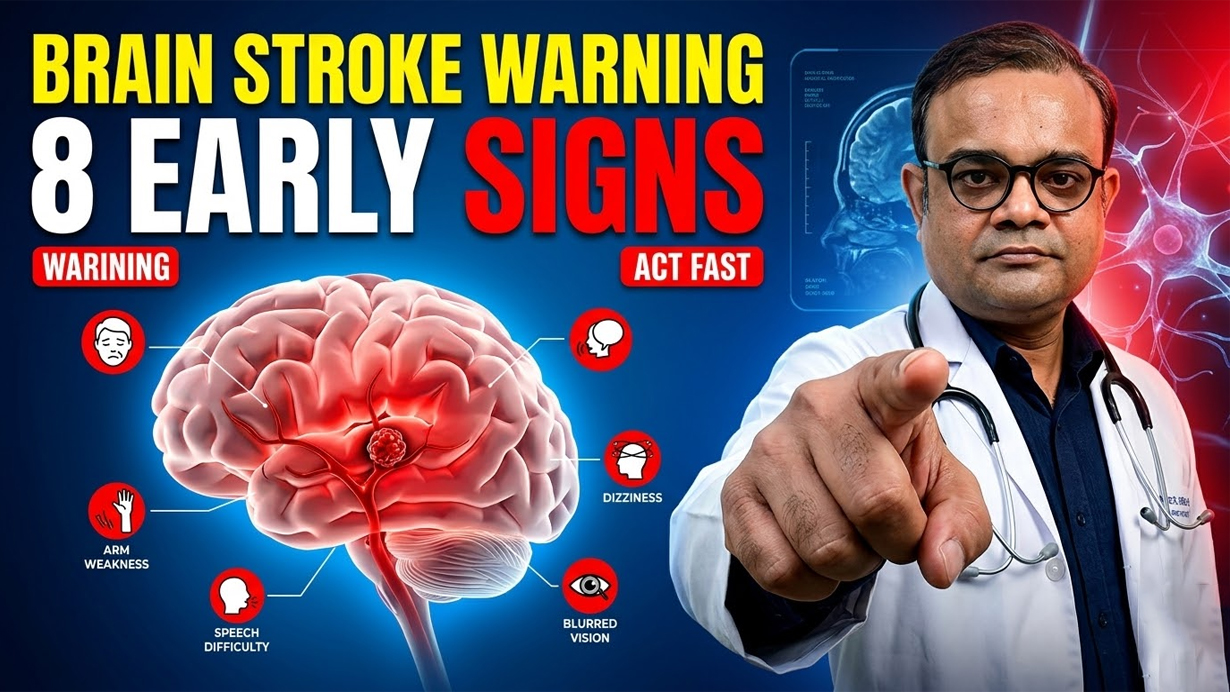
A brain stroke is one of the most time-sensitive medical emergencies. It occurs when the blood supply to a part of the brain suddenly stops or when a blood vessel inside the brain bursts. Without oxygen and nutrients, brain cells can start to suffer damage in just a matter of minutes. Because of this rapid damage, identifying the early warning signs of a brain stroke can make the difference between recovery and long-term disability.
Unfortunately, many stroke symptoms appear suddenly and may be mistaken for fatigue, dizziness, or stress. Ignoring these signals can delay treatment. Being aware of stroke symptoms and warning signs helps people act quickly and seek emergency care.
According to Dr. Debabrata Mukherjee, early recognition of neurological symptoms plays a critical role in improving outcomes.
“Stroke treatment is highly time-dependent. If patients reach the hospital early after symptoms begin, the chances of preventing permanent brain damage are significantly higher,” explains Dr. Mukherjee.
At Kailash Hospital, specialists emphasize stroke awareness as one of the most effective ways to reduce complications and disability.
Understanding What Happens During a Stroke
A stroke disrupts the normal blood circulation to the brain. Since brain tissue requires a constant supply of oxygen, even a short interruption can damage neurons responsible for movement, speech, memory, and vision.
There are two major types of stroke:
Ischemic Stroke – caused by a clot that blocks a brain artery. This is the most common form of stroke.
Hemorrhagic Stroke – occurs when a weakened blood vessel ruptures and bleeds inside the brain.
Both conditions require urgent medical care because delayed treatment can lead to permanent neurological injury.
8 Warning Signs of Brain Stroke
Stroke symptoms often appear suddenly and may worsen rapidly. Recognizing these early signs of stroke can help ensure immediate medical attention.
1. Sudden Numbness in the Face, Arm, or Leg
One of the earliest indicators of stroke is unexplained numbness or weakness, especially on one side of the body.
A person may suddenly feel their arm becoming weak or may struggle to lift it properly. In some cases, the face may feel heavy or numb.
2. Trouble Speaking or Understanding Words
Stroke frequently affects areas of the brain responsible for speech and language.
A person may start speaking unclearly, mix up words, or find it difficult to understand conversations.
“Speech problems that appear suddenly should always be treated as a potential neurological emergency,” notes Dr. Debabrata Mukherjee.
3. Facial Asymmetry or Drooping
Facial drooping is another classic sign of stroke.
If one side of the face appears uneven while smiling or if the mouth droops slightly, it may indicate weakness in facial muscles caused by a brain circulation problem.
4. Sudden Vision Disturbances
Stroke can affect the brain’s visual centers, leading to blurred vision, double vision, or temporary vision loss.
Some individuals may experience difficulty focusing or seeing clearly from one eye.
5. Severe and Unusual Headache
A sudden, extremely intense headache can be a sign of hemorrhagic stroke.
Unlike regular headaches, this pain may appear abruptly and may be accompanied by nausea, vomiting, or sensitivity to light.
6. Loss of Balance or Coordination
Stroke can interfere with the brain’s ability to control movement and balance.
People may suddenly feel dizzy, unsteady, or unable to walk properly.
Even simple tasks such as standing or turning around may become difficult.
7. Sudden Confusion or Mental Fog
Another important stroke warning sign is sudden confusion.
The affected individual may struggle to understand instructions, respond appropriately, or recognize familiar people.
This symptom occurs when cognitive areas of the brain are affected.
8. Weak Grip or Difficulty Using One Hand
Sometimes stroke symptoms appear in subtle ways, such as difficulty holding objects or weakness in one hand.
A person may drop objects frequently or feel their hand losing strength.
Risk Factors That Increase Stroke Chances
Certain health conditions and lifestyle factors significantly increase the risk of brain stroke.
Common stroke risk factors include:
- High blood pressure
- Diabetes
- High cholesterol
- Smoking
- Obesity
- Heart disease
- Sedentary lifestyle
- Excessive alcohol consumption
Managing these factors plays an important role in preventing stroke.
Stroke Prevention: Protecting Brain Health
Preventive care can greatly reduce the risk of stroke and improve overall cardiovascular health.
Doctors recommend several lifestyle strategies, including:
• Maintaining healthy blood pressure levels
• Following a heart-healthy diet
• Exercising regularly
• Avoiding smoking and tobacco products
• Managing diabetes and cholesterol
• Maintaining a healthy weight
• Scheduling regular medical checkups
Healthcare experts at Kailash Hospital encourage people with risk factors to undergo periodic neurological and cardiovascular evaluations.
When Should You Seek Emergency Care?
Immediate medical attention is required if any stroke symptoms appear suddenly.
Emergency care should be sought if someone experiences:
- Sudden weakness or numbness
- Speech difficulties
- Vision problems
- Severe headache
- Loss of balance
- Confusion or disorientation
“The faster a stroke patient receives treatment, the better the chances of preserving brain function,” says Dr. Debabrata Mukherjee, Consultant Neurosurgeon at Kailash Hospital.
Conclusion
A brain stroke can occur without warning, but the body often provides early signals that should never be ignored. Symptoms such as facial drooping, speech problems, sudden weakness, vision disturbances, and severe headaches may indicate a stroke in progress.
Recognizing these warning signs of a brain stroke and seeking immediate medical help can prevent severe complications and improve recovery outcomes. With expert care from specialists like Dr. Debabrata Mukherjee at Kailash Hospital, patients can receive timely diagnosis, advanced neurological treatment, and comprehensive stroke management.
Awareness, quick action, and preventive care remain the strongest defenses against stroke-related complications.