
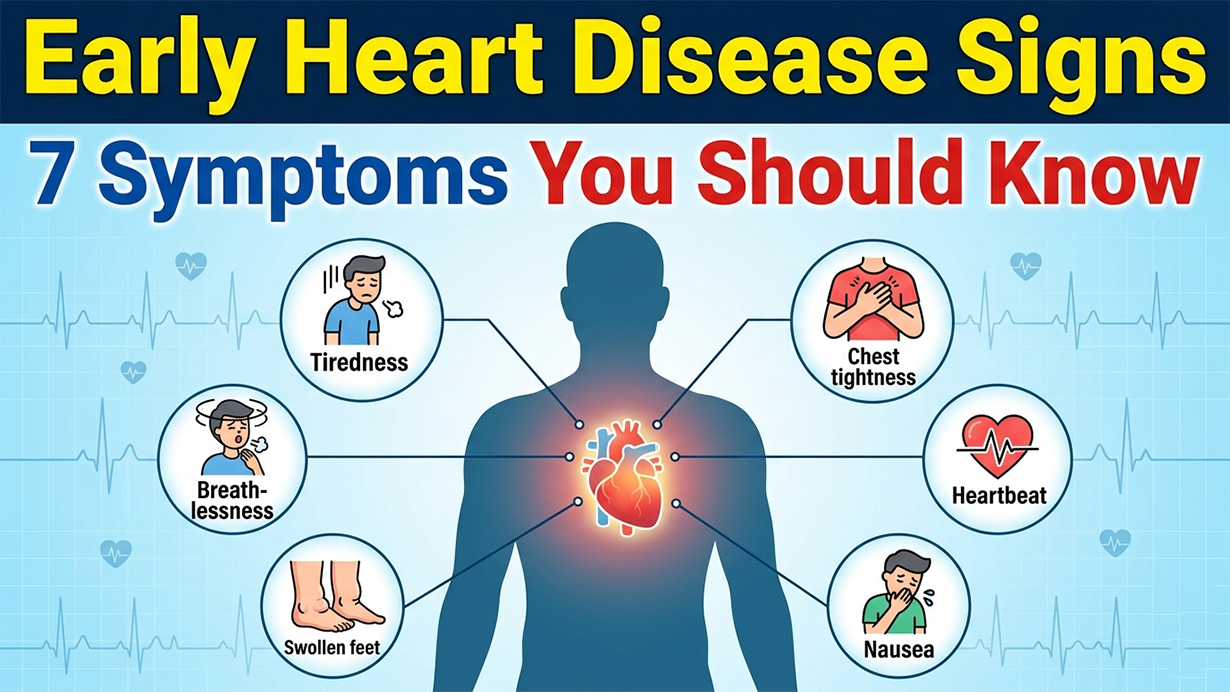
Heart disease is one of the leading health concerns worldwide and often develops gradually over time. Many people assume that heart problems occur suddenly, but in reality, the body often shows subtle warning signs long before a serious cardiac event happens. Recognizing these early symptoms of heart disease can help individuals seek timely medical care and reduce the risk of complications such as heart attack or stroke.
Heart disease refers to a group of conditions affecting the heart and blood vessels, including coronary artery disease, heart rhythm disorders, and heart failure. While some symptoms are obvious, others may appear mild or unrelated to heart health, making them easy to ignore.
Cardiology specialists at Kailash Hospital emphasize that awareness and regular health checkups play an important role in preventing serious heart conditions.
1. Chest Discomfort or Chest Pain
Chest discomfort is one of the most common early signs of heart disease. This sensation may feel like pressure, tightness, heaviness, or burning in the chest area.
In many cases, chest pain occurs when the heart muscles do not receive enough oxygen-rich blood due to narrowed or blocked arteries. The pain may appear during physical activity, emotional stress, or even while resting.
While not every chest pain indicates heart disease, persistent or recurring discomfort should always be evaluated by a healthcare professional.
2. Shortness of Breath
Another early symptom of heart disease is difficulty breathing, especially during routine activities such as walking, climbing stairs, or performing light physical tasks.
Shortness of breath occurs when the heart struggles to pump blood efficiently, causing fluid buildup in the lungs and reducing oxygen supply.
“Unexplained breathlessness during daily activities can sometimes be an early indicator of heart problems and should not be ignored,” says Dr. D.S. Mathur.
3. Unusual Fatigue
Feeling excessively tired without a clear reason may also signal an underlying heart condition. When the heart cannot pump blood effectively, the body’s organs and muscles receive less oxygen and nutrients.
This reduced circulation may cause persistent fatigue, weakness, or low energy levels.
Women in particular may experience fatigue as an early symptom of heart disease before other signs become noticeable.
4. Irregular Heartbeat or Palpitations
Heart palpitations refer to sensations where the heart feels like it is racing, fluttering, or skipping beats. Occasional palpitations can occur due to stress or caffeine intake, but frequent irregular heartbeats may indicate heart rhythm disorders.
Abnormal heart rhythms, known as arrhythmias, can disrupt the heart’s ability to pump blood effectively and may require medical evaluation.
Monitoring unusual heartbeat patterns can help detect potential cardiovascular problems early.
5. Dizziness or Lightheadedness
Frequent dizziness or sudden episodes of lightheadedness can occur when the brain does not receive adequate blood flow.
This may happen due to reduced heart pumping efficiency or sudden drops in blood pressure related to heart disease.
If dizziness occurs repeatedly along with other symptoms such as chest discomfort or shortness of breath, medical consultation is important.
6. Swelling in the Legs, Ankles, or Feet
Swelling in the lower parts of the body can be a sign of heart problems. When the heart cannot pump blood efficiently, fluid may accumulate in the tissues of the legs, ankles, or feet.
This condition is known as edema and may also be associated with weight gain or tightness in shoes.
Although swelling can occur due to various reasons, persistent or unexplained swelling should be evaluated by a cardiologist.
7. Pain in the Neck, Jaw, Shoulder, or Arm
Heart disease symptoms are not always limited to the chest. Some people experience discomfort in other parts of the upper body, including the neck, jaw, shoulder, back, or arms.
This pain may spread gradually and may occur alongside chest pressure or shortness of breath.
In many cases, pain in the left arm or jaw is associated with reduced blood flow to the heart.
Also Read : Early Warning Signs of a Heart Attack You Should Never Ignore
Risk Factors That Increase Heart Disease
Several lifestyle and health factors can increase the risk of developing heart disease.
Common risk factors include:
- High blood pressure
- High cholesterol levels
- Diabetes
- Smoking
- Obesity
- Lack of physical activity
- Unhealthy diet
- Chronic stress
Managing these risk factors can significantly reduce the chances of developing cardiovascular problems.
How to Protect Your Heart Health
Preventing heart disease involves adopting healthy lifestyle habits and monitoring cardiovascular health regularly.
Some important steps include:
- Eating a balanced diet that’s packed with fruits, vegetables, and whole grains.
- Exercising regularly to improve heart function
- Maintaining a healthy body weight
- Controlling blood pressure and cholesterol levels
- Avoiding tobacco use
- Managing stress effectively
- Getting routine health checkups
Cardiology specialists at Kailash Hospital recommend regular heart screenings for individuals with risk factors such as family history, high blood pressure, or diabetes.
When to Seek Medical Attention
Early medical consultation is essential if symptoms such as chest discomfort, breathlessness, or unexplained fatigue occur frequently.
Ignoring these warning signs may increase the risk of serious complications such as heart attack or heart failure.
“Timely diagnosis and preventive care can significantly reduce the risk of severe heart disease,” says Dr. D.S. Mathur, Consultant Cardiologist at Kailash Hospital.
Conclusion
Heart disease often develops silently, but the body may show early warning signs that should never be ignored. Symptoms such as chest discomfort, shortness of breath, fatigue, irregular heartbeat, dizziness, swelling, and upper body pain may indicate underlying cardiovascular problems.
Recognizing these early symptoms of heart disease and seeking medical advice can help prevent complications and improve long-term heart health. With expert guidance from specialists like Dr. D.S. Mathur, Consultant Cardiologist at Kailash Hospital, individuals can receive timely diagnosis, proper treatment, and effective strategies to maintain a healthy heart.